

You’ve seen the claims on both sides. One camp treats peptides like a miracle in a vial. The other treats every peptide like a loaded gun. Neither answer holds up once you actually look at what researchers have published.
The real answer is that “safe” isn’t one property a peptide has or doesn’t have. It depends on which compound, what it’s sourced from, how it’s handled, and whether the person using it actually knows what they’re doing. This piece breaks down what the current research says, where the genuine risks sit, and what separates a careful research setup from a reckless one.
FDA-approved peptides vs. research compounds
Not all peptides sit in the same regulatory category, and lumping them together is where a lot of confusion starts.
| Category | Example | Regulatory status |
|---|---|---|
| FDA-approved peptide drugs | Insulin, GLP-1 medications | Studied in large clinical trials, manufactured under pharmaceutical standards |
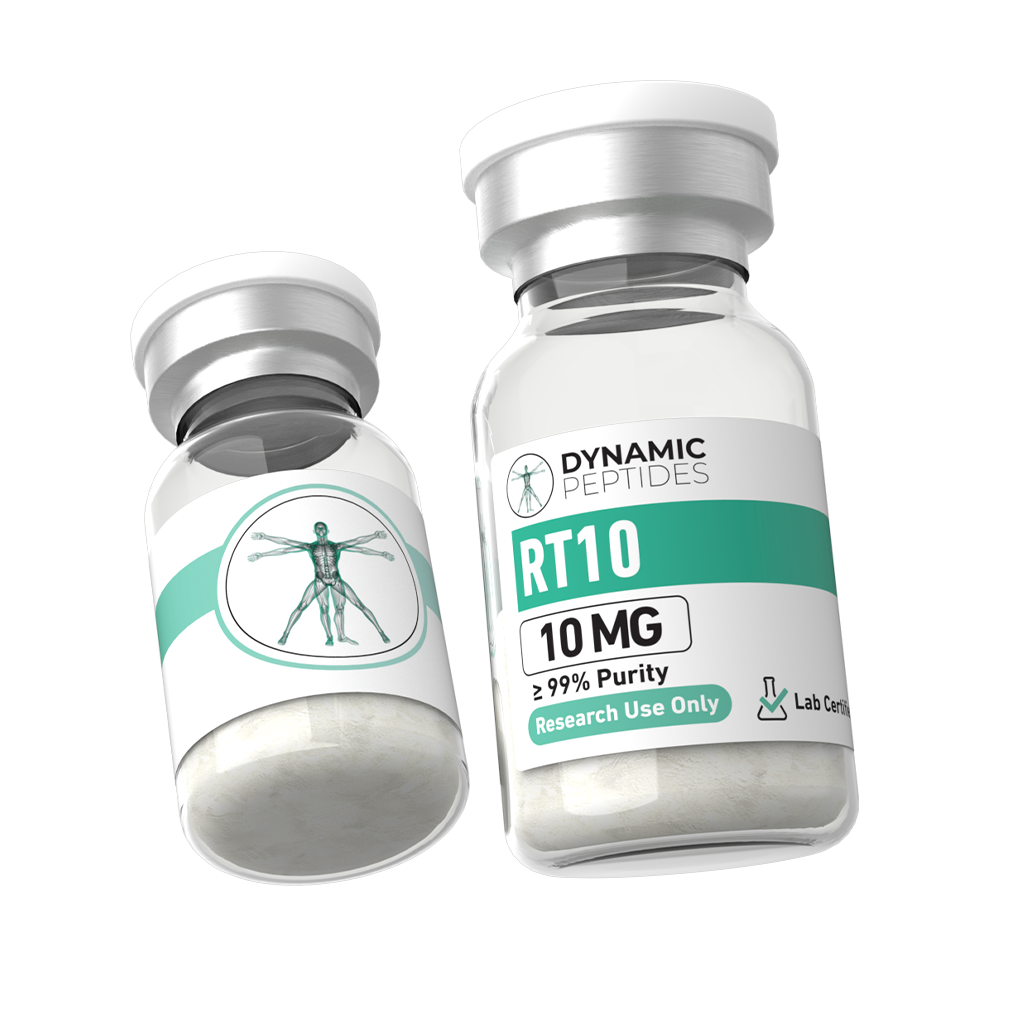
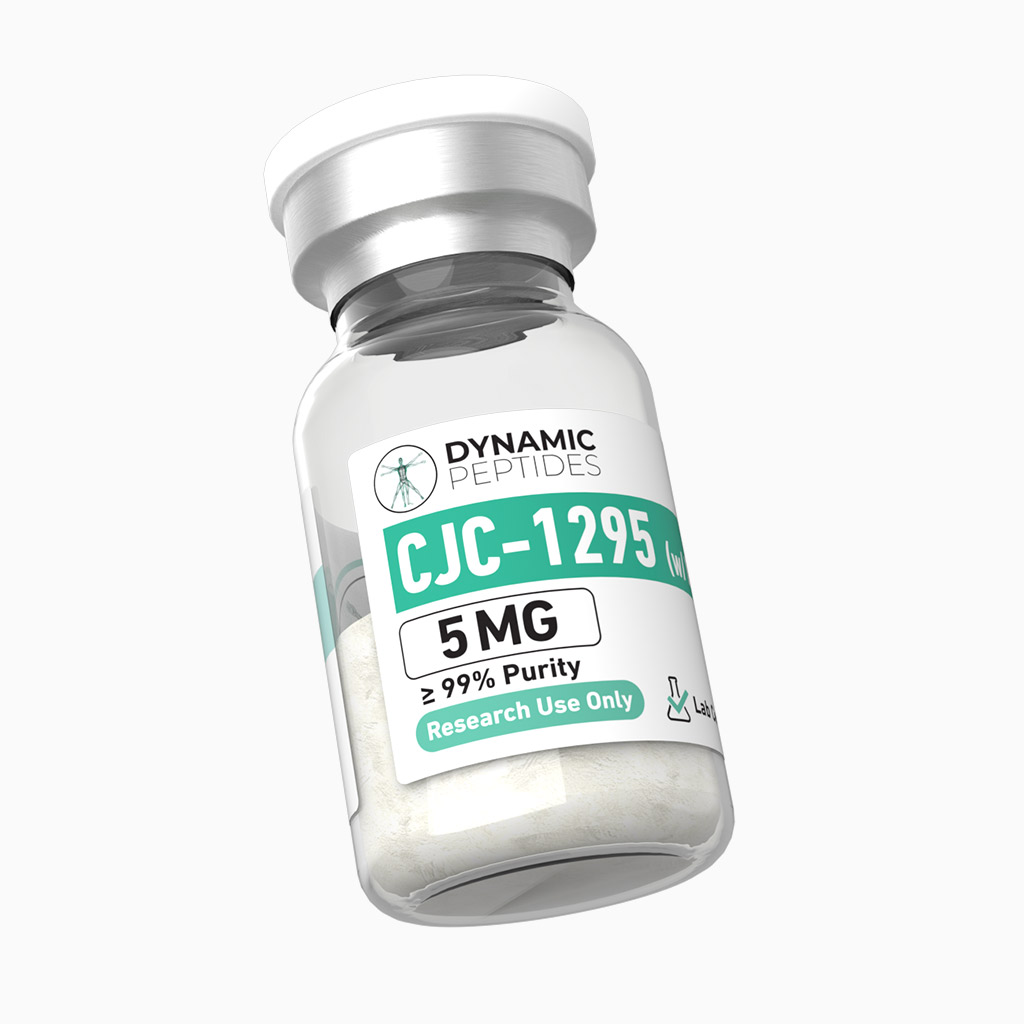
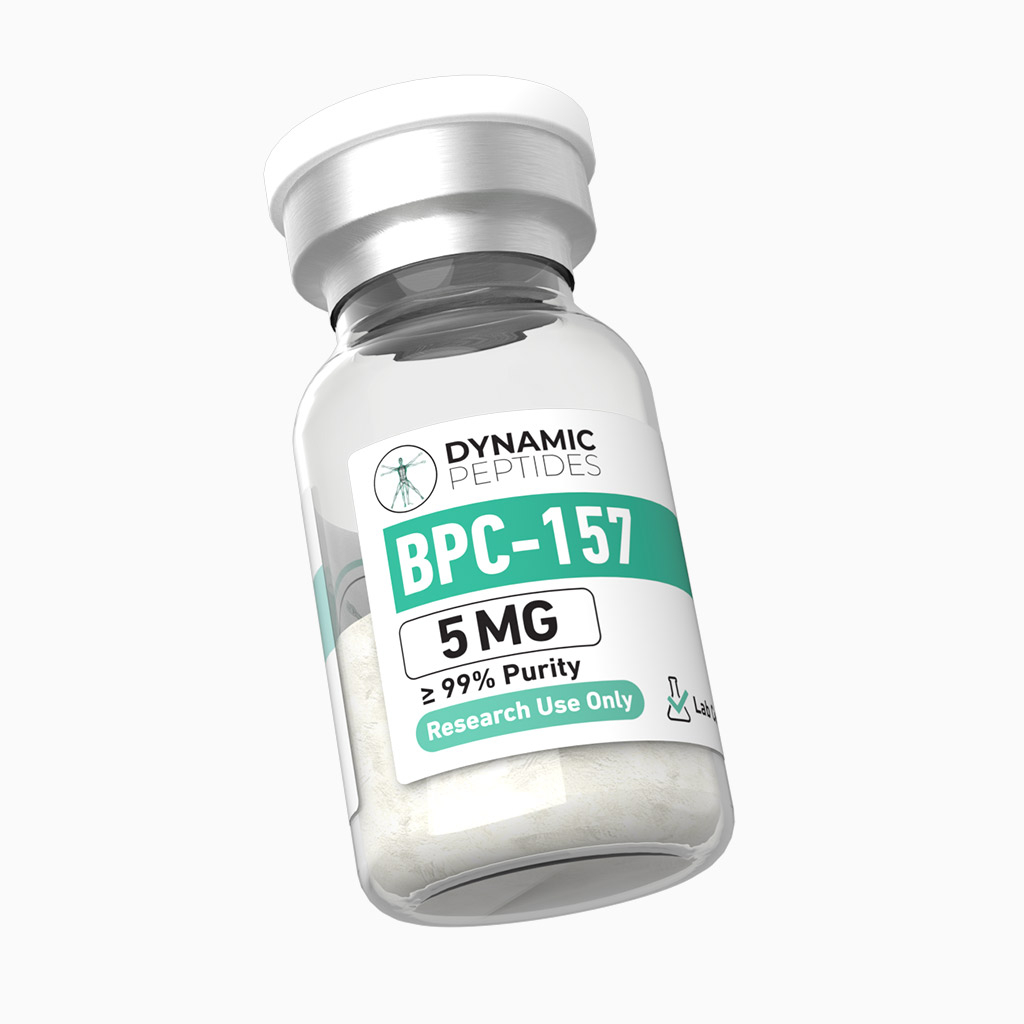
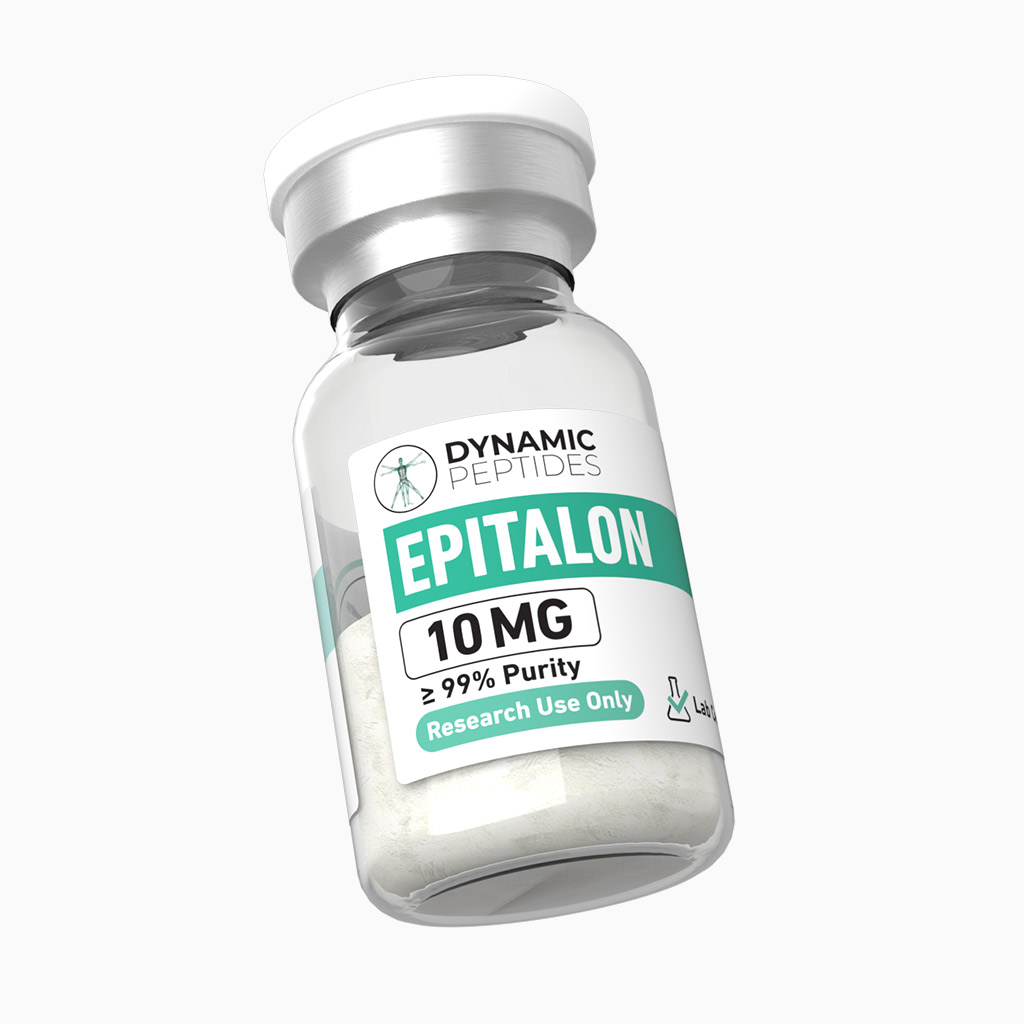
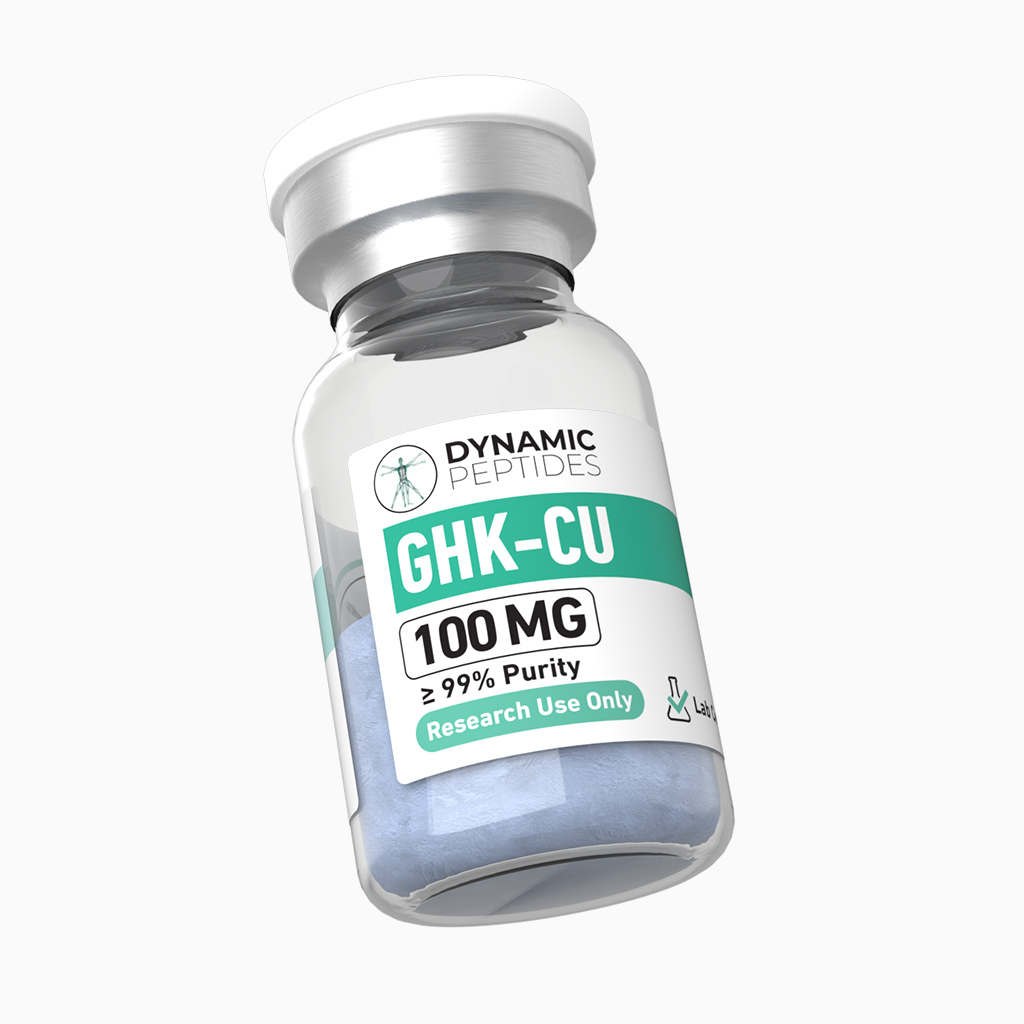
| Research peptides | BPC-157, GHK-Cu, CJC-1295 | Sold for laboratory and research use, not evaluated by the FDA for human consumption |
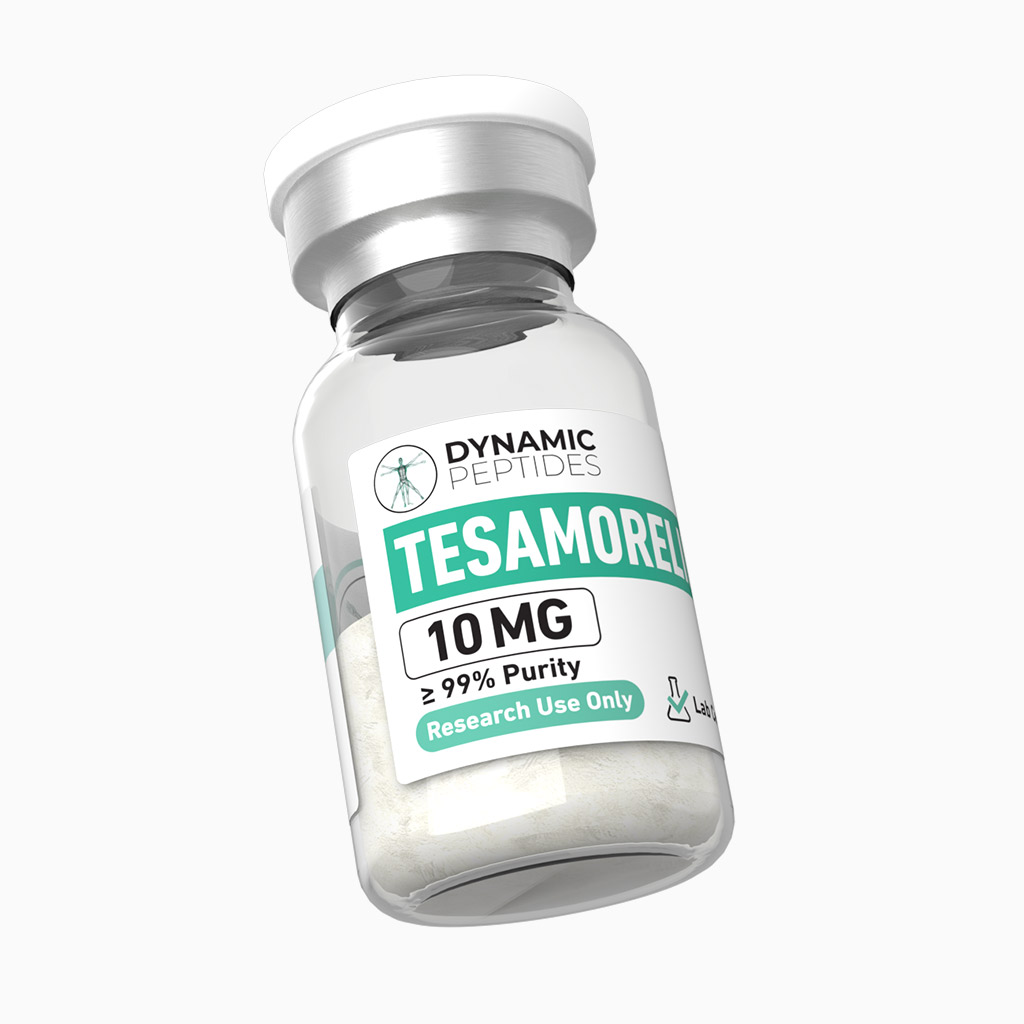
A July 2026 Harvard Health review of peptide safety put it plainly: FDA-approved peptide medications have real clinical trial data behind them, but the peptides circulating outside that system, often labeled “for research purposes only,” haven’t gone through the same process. That distinction matters more than any single ingredient does. Products like Ipamorelin or Tesamorelin are sold and handled as research compounds here for exactly that reason. Our complete guide to BPC-157 and the guide to Tesamorelin both go deeper on what each one is actually studied for.
Where contamination risk actually comes from
The Harvard Health piece flagged this directly: unregulated peptides “may be contaminated with impurities,” and the FDA has said the same. That risk doesn’t come from the peptide molecule itself. It comes from the manufacturing chain behind it.
A few conditions raise the odds of a contaminated batch:
- Manufacturing overseas without third-party verification
- Cross-contamination between different compounds made on the same equipment
- Residual solvents or heavy metals left over from synthesis
- Microbial growth introduced during packaging or shipping
- Products sold with vague or missing purity documentation
Purity below 95% is where most of the reported problems start. A peptide that’s mostly the compound it claims to be, plus a small amount of something else entirely, can behave nothing like the research literature describes. This is a sourcing problem, not a peptide-category problem. Our own breakdown of how to tell if a peptide is actually pure covers exactly what a supplier’s testing and documentation should look like, and is worth reading in full before your first order.
What the side effect data actually shows
Because most research peptides haven’t gone through large human trials, the side effect picture is thinner than it is for approved drugs. That’s a real limitation, not a reason to assume nothing happens.
What has been reported, according to the same Harvard Health review: gastrointestinal issues like nausea and diarrhea, headaches, fatigue, and irritation at the injection site. Some injectable peptides have also been linked to abnormal immune responses, including allergic reactions in a small number of cases. None of this is unique to peptides specifically. It’s the same category of reaction you’d expect from any injectable substance handled outside a clinical setting.
Dr. Pieter Cohen, the physician who reviewed that Harvard Health piece, was blunt about his own position: he doesn’t recommend self-injecting peptides. That’s a clinician’s caution given the data gap, not a claim that every peptide causes harm. Reading it as either “totally safe” or “definitely dangerous” both overstate what the evidence supports.
Handling matters more than people expect
A peptide that started as a clean, well-sourced product can still turn into a risk if it’s handled poorly afterward. This is the part of the safety conversation that gets skipped most often, and it’s specific enough to deserve its own full treatment rather than a summary here. Our step-by-step guide to reconstituting and storing peptides covers the actual technique, from bacteriostatic water and sterile needles through to correct storage temperatures, and our peptide mixing calculator handles the concentration math. The short version: getting this stage wrong affects your results more than which compound you chose, and it’s worth doing properly rather than guessing.
What a careful research setup actually looks like
Put the pieces together and a pattern shows up. The research projects that run into trouble tend to share a few traits: an unverified source, no purity documentation, and loose handling once the product arrives. The ones that don’t share the opposite.
That means knowing what you’re buying, from a source that can speak to how its peptides and anti-aging compounds are handled, reconstituting with the right materials, storing correctly, and treating compounds like Selank or Semax as the research tools they’re sold as rather than a shortcut. None of that eliminates the data gap the current research has. It does close most of the distance between a careless setup and a careful one. If you’re weighing your first order, our rewards program and the FAQ page are the right places to start before the product page itself.
These products are sold for laboratory and research use only, not for human consumption. Nothing in this article is medical advice. Speak with a qualified healthcare professional before making any decisions related to your health.