

GHK-Cu is a copper-binding tripeptide that shows up constantly in skin and tissue-remodeling research, usually alongside terms like collagen synthesis, wound closure, and antioxidant activity. It also comes in more than one vial size, and the concentration question turns out to matter more than a lot of buyers assume.
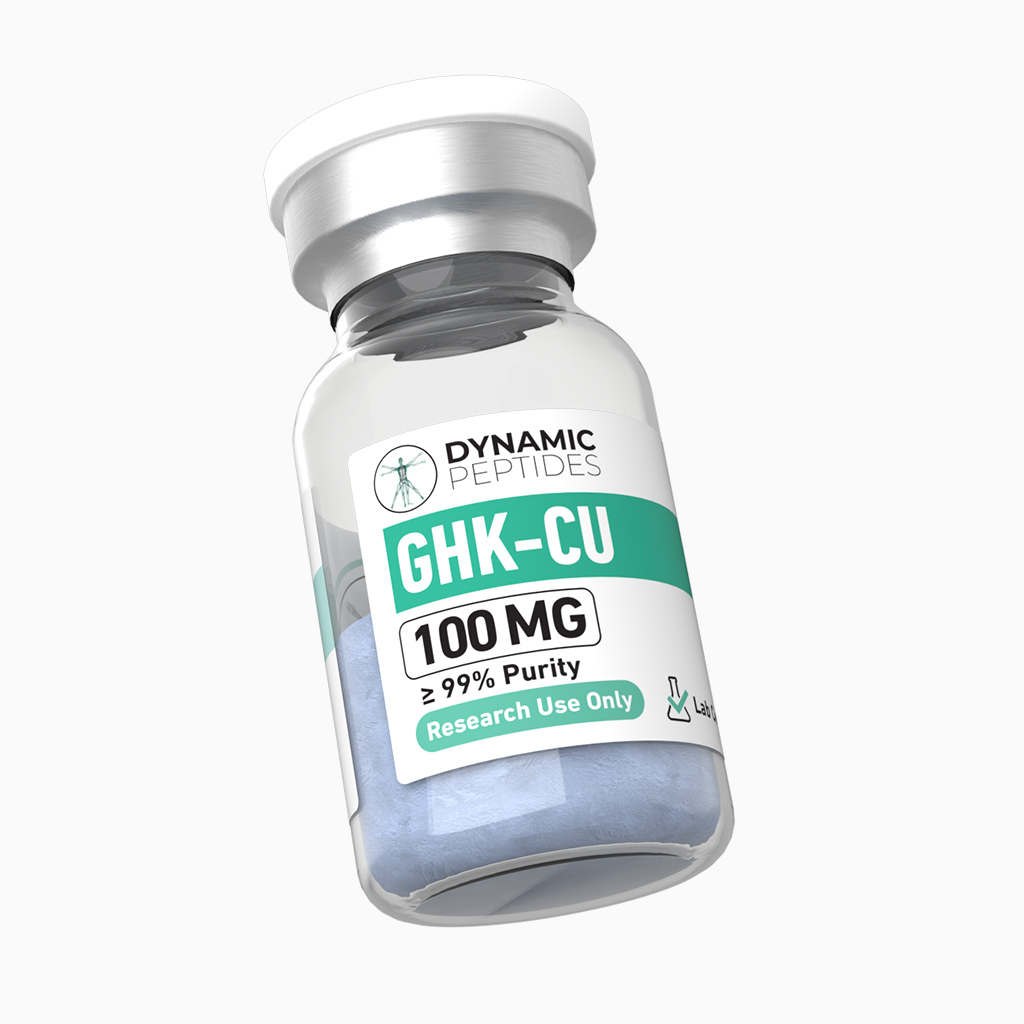
Dynamic Peptides carries GHK-Cu as a 50mg version. A 100mg vial is also available. This piece covers what GHK-Cu has actually been studied for, what the concentration-response research shows, and why the higher-concentration option tends to make more sense for certain research protocols than others.
What GHK-Cu Is Studied For
GHK naturally occurs in human plasma and declines with age, which is part of why it drew research interest in the first place. Once bound to copper, the resulting complex has been studied for its role in several overlapping pathways: stimulating collagen and glycosaminoglycan production, modulating the enzymes that build and break down connective tissue, acting as an antioxidant, and supporting new blood vessel formation. Researchers have also looked at its effect on stem cell activity in skin tissue, which is part of why it keeps appearing in regeneration studies rather than purely cosmetic ones.
None of that makes GHK-Cu a treatment for anything, and the 100mg product page frames it the way the research does: a compound studied in the context of tissue remodeling, not a finished therapy. If you’re mapping it against other compounds in the anti-aging category, that’s the lane it sits in.
What the Wound Healing Research Actually Shows
The clearest data on GHK-Cu comes from wound healing studies. One open-label dose-finding study in diabetic foot ulcer patients compared several GHK-Cu concentrations against saline over roughly two weeks. The interesting result wasn’t that more was better. A mid-range concentration produced the fastest closure rate and the highest percentage of healed ulcer area, outperforming a considerably stronger concentration in the same trial. Separately, a placebo-controlled trial using a 2% GHK-Cu gel found wound closure roughly three times faster than placebo.
That combination is worth sitting with before assuming “higher concentration” means “better outcome” in every context. It doesn’t. What the concentration research actually supports is that GHK-Cu has a real dose-response curve, and where a given protocol lands on that curve depends on the study design, not on grabbing the strongest option available. Researchers have also noted that higher local concentrations of GHK-Cu can produce skin irritation, another reason concentration gets chosen deliberately rather than maximized by default.
So Why Would a Researcher Choose the 100mg Vial
If concentration itself isn’t the reason to go bigger, the practical reasons are. GHK-Cu’s copper complex is chemically reactive and has a short window of stability once reconstituted, which means researchers are already reconstituting on a schedule rather than treating a vial as indefinitely shelf-stable. A 100mg vial yields more usable stock solution per reconstitution cycle than a 50mg vial at the same dilution, which matters for any protocol running multiple weeks or multiple study arms off a single mixing session.
There’s also a straightforward cost-per-milligram argument for anyone running a longer research timeline, the same logic that applies across most of the peptide lineup here. Fewer reconstitution cycles means fewer chances to introduce a measurement or contamination error along the way, which is exactly the kind of variable a well-run protocol tries to minimize. None of that changes what concentration gets used in a given solution. It just changes how much stock a researcher is starting from.
Reconstitution and Handling
GHK-Cu ships as a lyophilized powder and gets reconstituted with bacteriostatic water before use, the same as most of the catalogue here. The math is simple: concentration equals the vial’s total milligrams divided by the water added, so a 100mg vial reconstituted the same way as a 50mg vial yields double the stock concentration, or the same concentration in double the volume, whichever the protocol calls for.
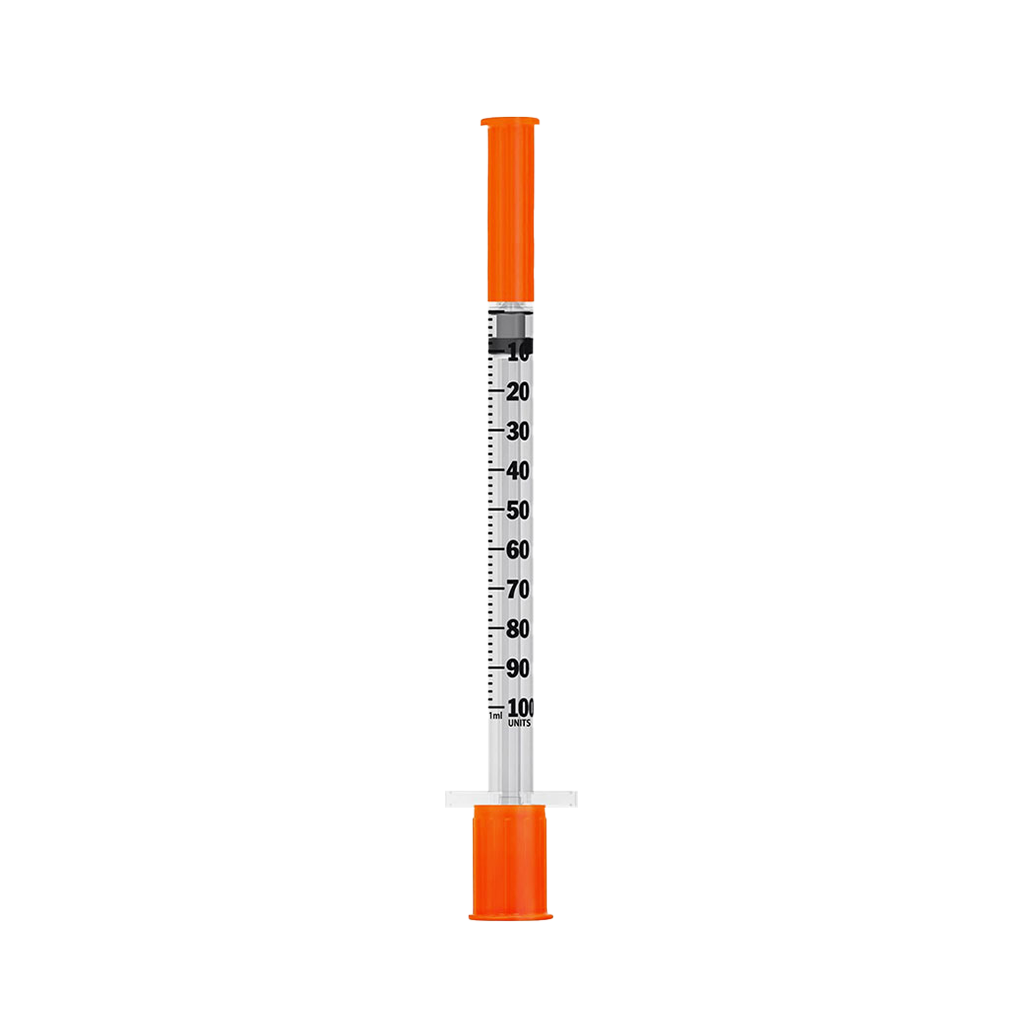
If you haven’t run the numbers before, the peptide mixing calculator works through it for any vial size. Once reconstituted, GHK-Cu should be kept refrigerated and used within its stated stability window rather than stored indefinitely. Insulin needles are the standard draw tool for the resulting solution. Questions about any of this are covered in more depth on the FAQ page.
Where GHK-Cu Fits Alongside Other Research Compounds
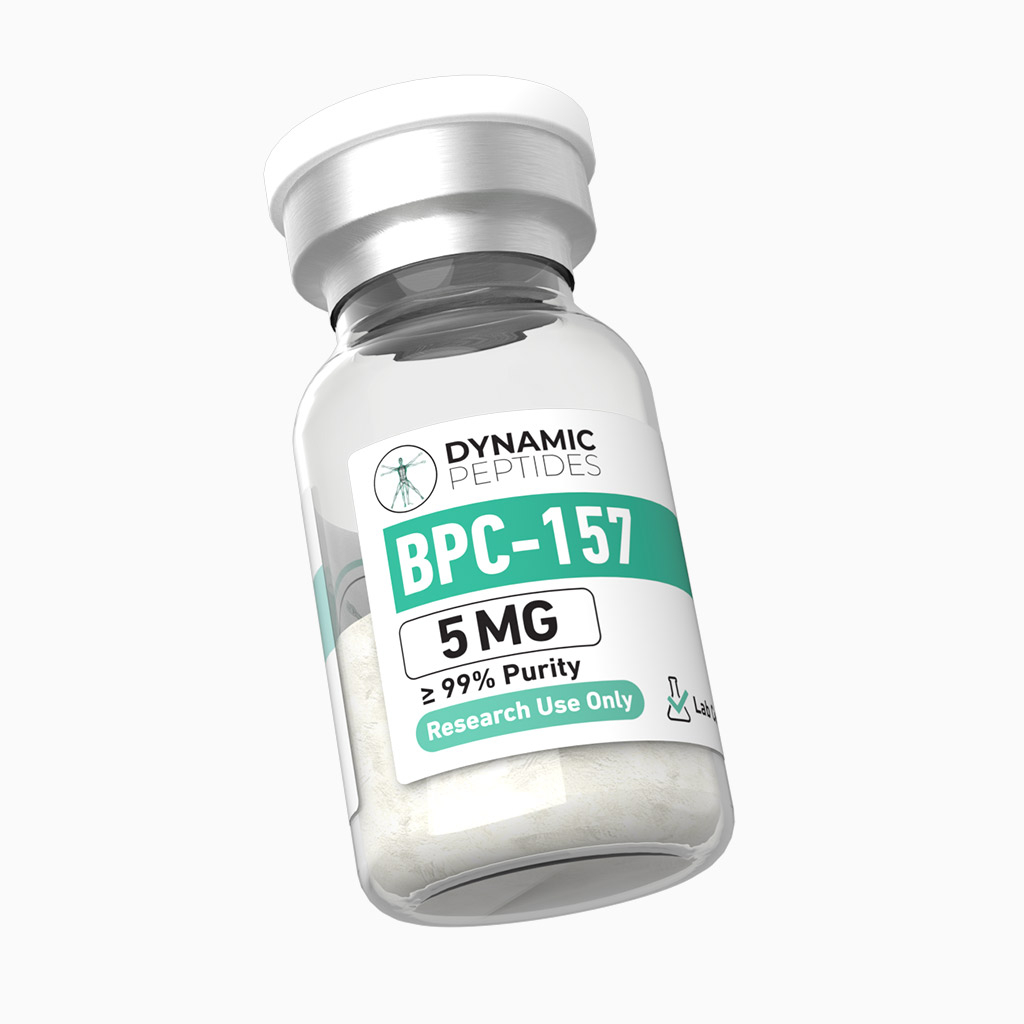
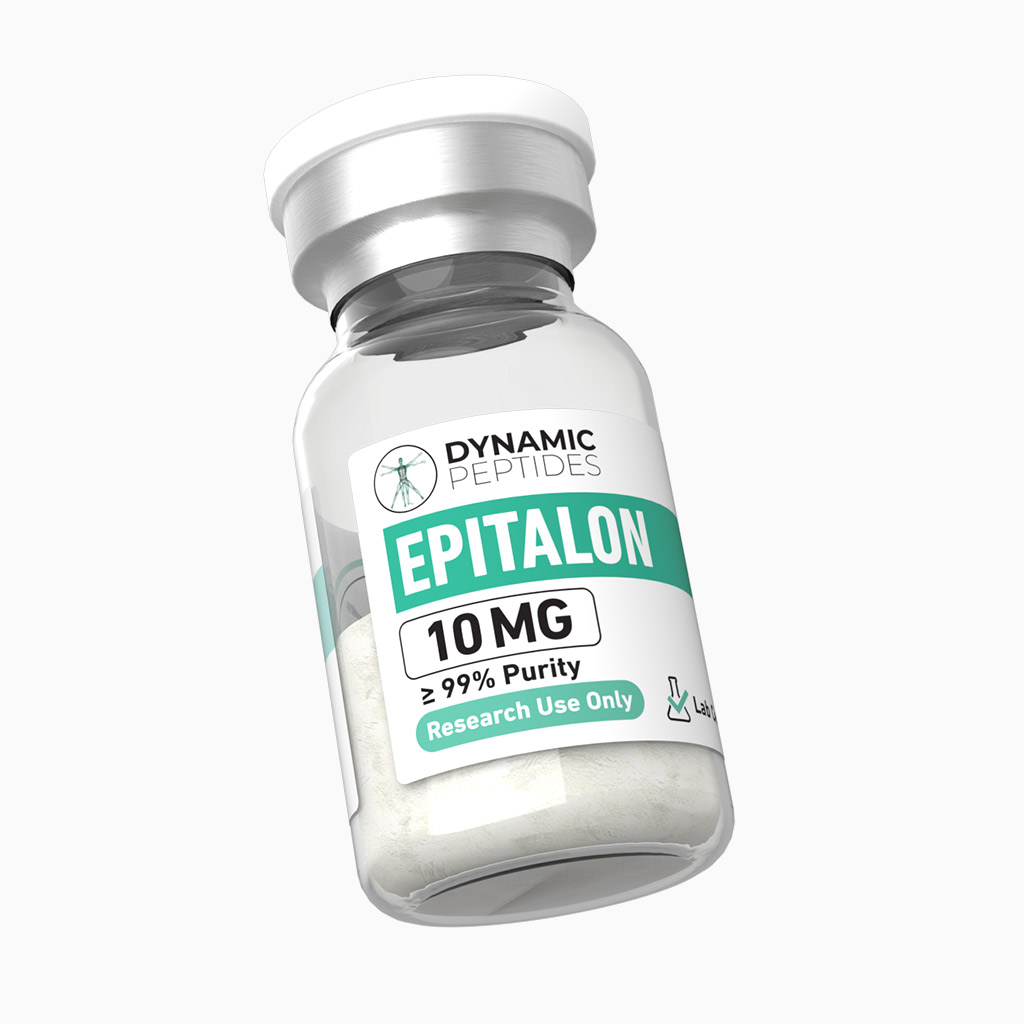
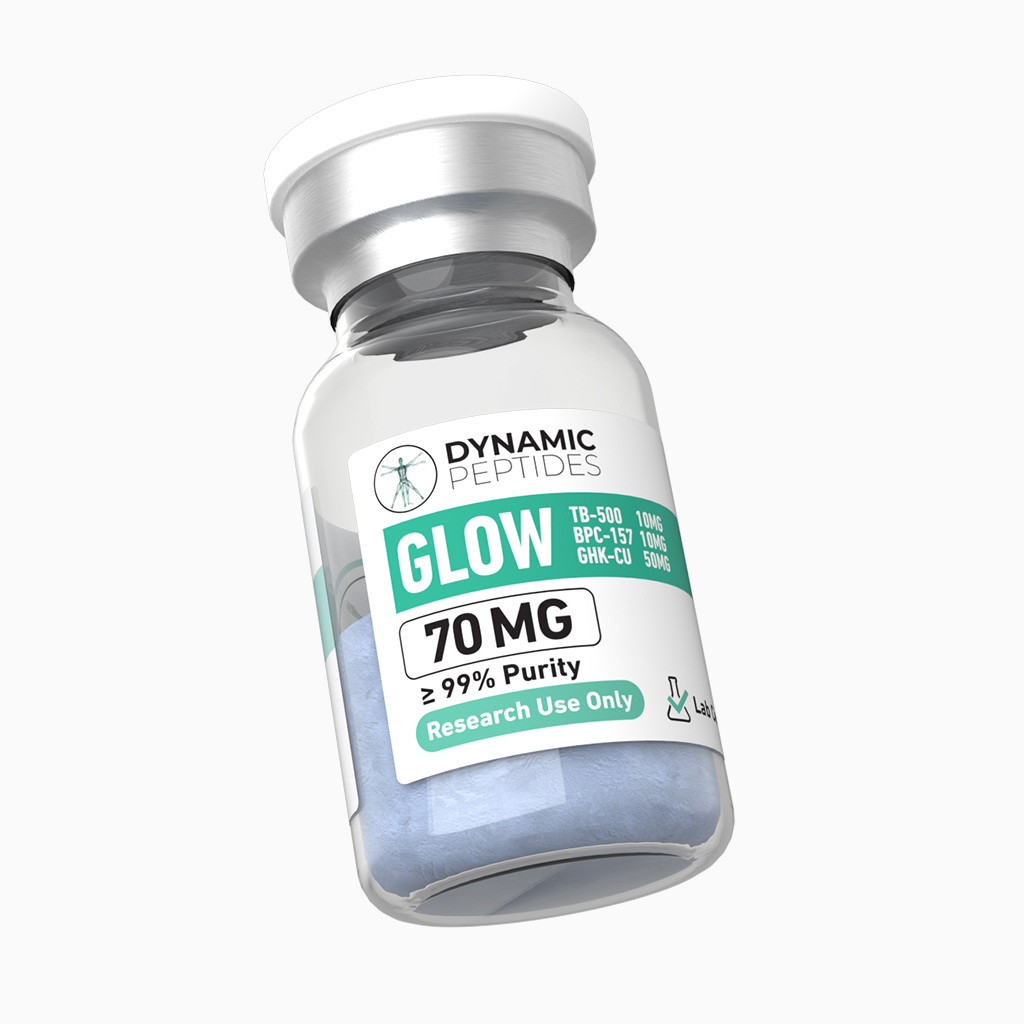
GHK-Cu rarely gets studied in isolation. It shows up in the same tissue-remodeling literature as BPC-157. TB-500 comes up in the same context, both studied for their own roles in tissue repair pathways. On the longevity side, it’s often discussed alongside Epitalon. NAD+ shows up in the same conversations. Antioxidant-pathway compounds like glutathione get mentioned for related reasons.
Researchers working across the skin and connective-tissue angle sometimes also look at Follistatin. MOTS-c comes up too, depending on whether the protocol is oriented toward tissue structure or cellular metabolism. If you’re building out a broader research stack, the aesthetics category is the fastest way to see what else sits in the same space.
Sourcing GHK-Cu in Canada
Every GHK-Cu vial sold here ships from Canadian inventory, which is worth knowing if cross-border shipping delays have ever slowed down a protocol before. New orders can be tracked from the order tracking page once placed. Repeat buyers can offset the cost of a longer research run through the rewards program.
For background on why more Canadian researchers have moved to ordering peptides online rather than through older channels, the team’s earlier piece on that shift covers the context. GHK-Cu’s own research history is also detailed further on its product page, alongside handling notes specific to that batch. Anyone new to sourcing peptides generally can find a broader introduction on the About Us page. The full shop catalogue lists everything currently in stock.
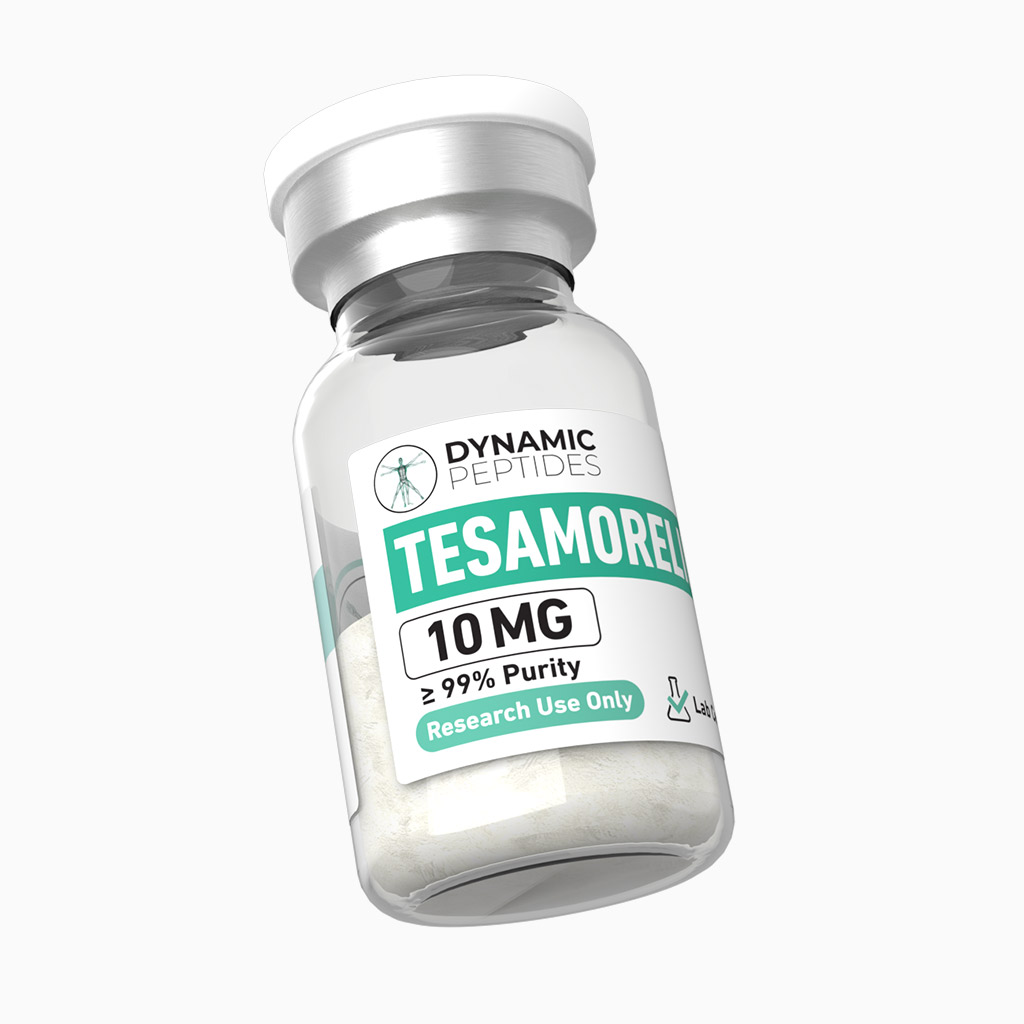
Researchers comparing compounds by mechanism rather than by name might also find the BPC-157 guide useful. The Tesamorelin guide covers similar territory, both compounds that come up in adjacent research contexts. More entries like this one are added to the Dynamic Peptides blog as the research picture develops.
Dynamic Peptides sells research compounds for laboratory and research use only. Nothing on this site or in this article is a dosing instruction, a medical claim, or an endorsement of human or animal use. Products are not for human consumption. Consult the product page and applicable regulations before purchasing.