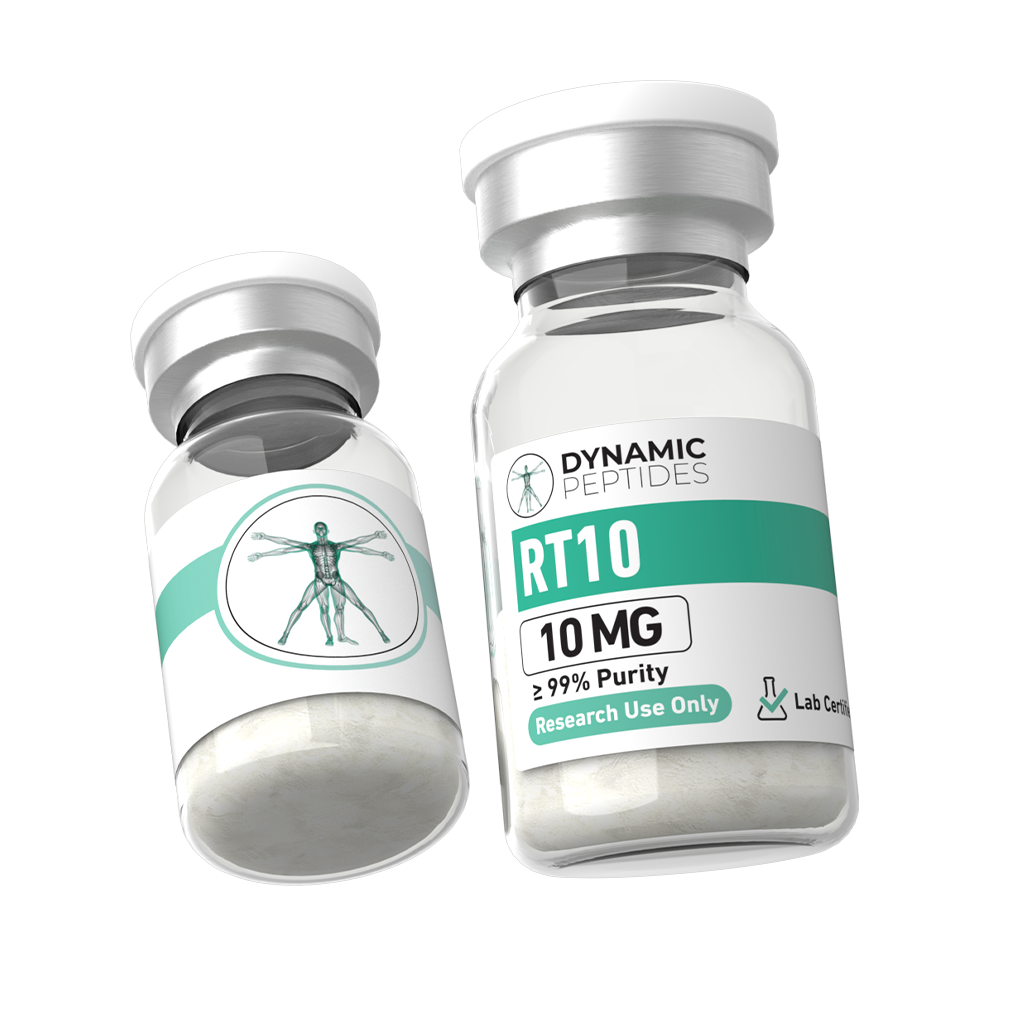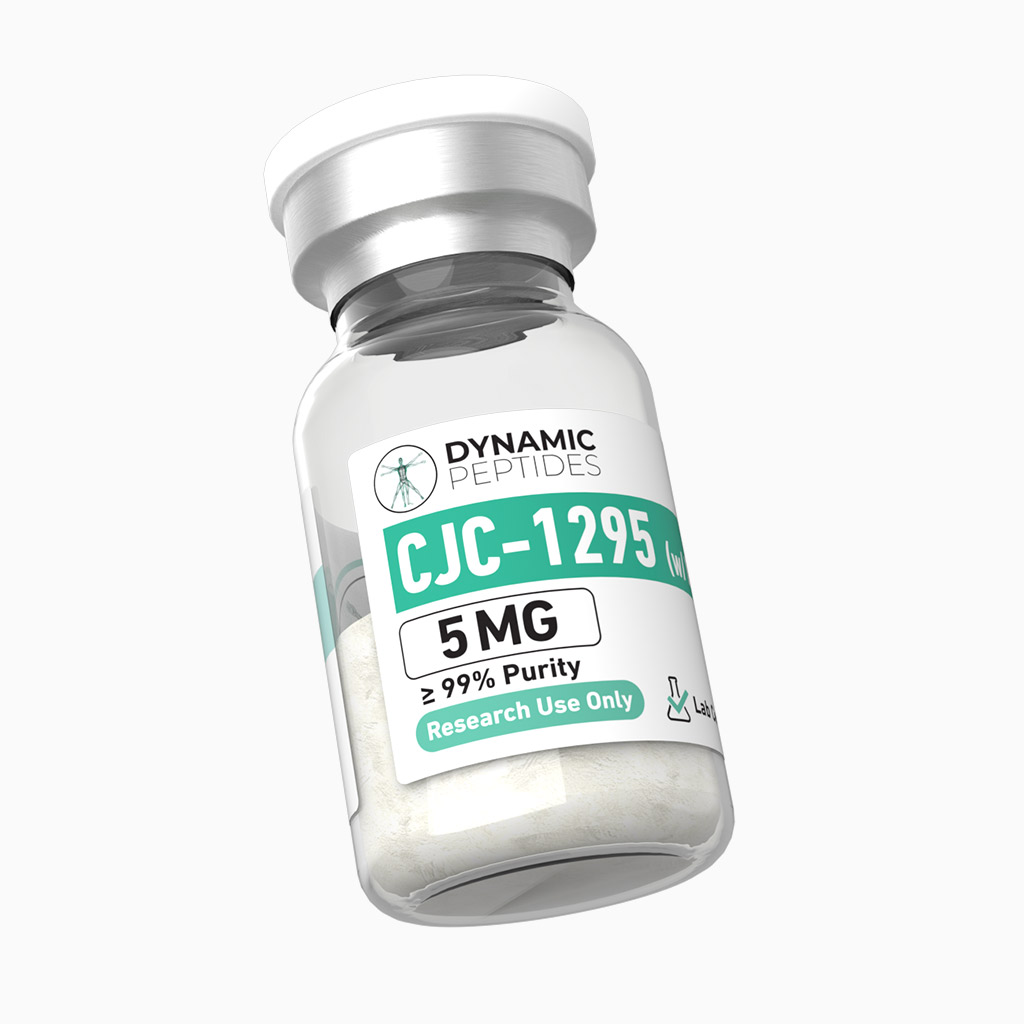


Search “growth hormone peptides for lifters” and CJC-1295 and Ipamorelin show up paired together almost every time. They’re two different compounds with two different mechanisms, and the reason they get stacked isn’t marketing. It’s timing.
Before you add either one to a research project, it helps to know what each molecule is actually doing, what the muscle and body composition research supports, and where the evidence runs out. This isn’t a protocol. It’s the background you’d want before reading a study abstract and knowing what it actually means.
Two different mechanisms, one target
CJC-1295 is built to mimic growth hormone-releasing hormone, the signal your hypothalamus sends the pituitary gland to release growth hormone. The version most researchers work with uses drug affinity complex technology, which extends how long the compound stays active compared to unmodified GHRH.
Ipamorelin works through a different pathway entirely. It’s a ghrelin receptor agonist, meaning it binds the same receptor that ghrelin does and triggers a pulse of growth hormone release. What makes it stand out in the research is selectivity. Unlike some older ghrelin-mimetic compounds, it shows minimal effect on cortisol and other stress hormones at the doses studied.
Put together, CJC-1295 provides a sustained baseline elevation while Ipamorelin adds a sharper pulse on top of it. That complementary profile, not just habit, is why the two show up in the same sentence so often.
What the muscle growth research actually supports
Here’s where the research gets more limited than the internet conversation suggests. Human trials of the specific CJC-1295 and Ipamorelin combination are scarce. A 2006 study in the Journal of Clinical Endocrinology and Metabolism found that CJC-1295 alone produced sustained, dose-dependent increases in growth hormone and IGF-1 over several weeks in healthy adults, which is meaningful but isn’t the same as a body-composition outcome study.
The broader growth hormone literature offers more to work with. A 2013 trial found improved muscle strength in men over 50 after six months of growth hormone therapy, and an older 1999 study found growth hormone recipients gained more lean mass and lost more fat than a placebo group. Those results describe growth hormone therapy generally, in specific clinical populations, not this peptide combination in healthy lifters. Read the connection as biologically plausible, not settled science, and weigh the gap between the two before drawing a conclusion from a single abstract.
Why the timing argument holds up
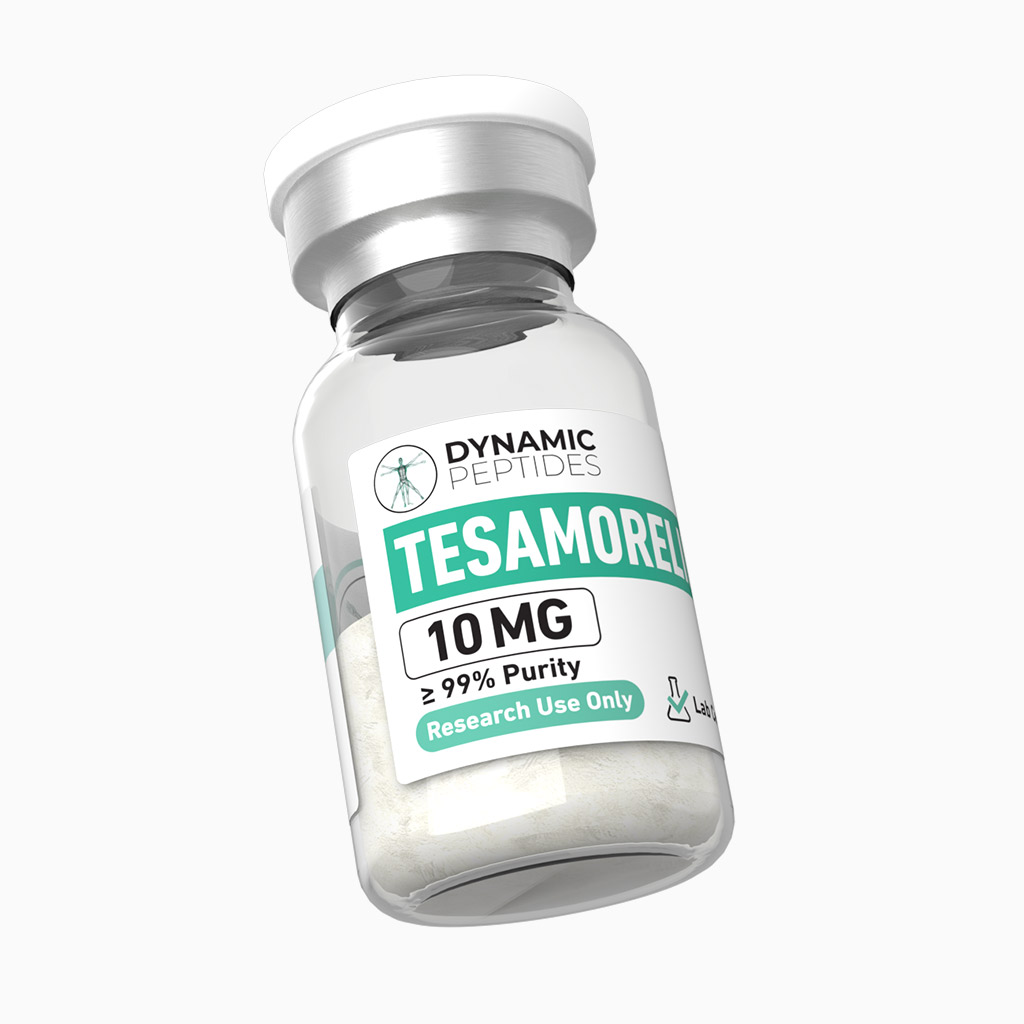
Lifters interested in muscle growth compounds tend to gravitate toward this stack because the two release patterns don’t compete with each other. Related GHRH-pathway compounds like Sermorelin or growth hormone axis peptides like Tesamorelin work through similar signaling routes with their own timing profiles, which is worth knowing if you’re comparing options across the peptide catalogue rather than assuming every GH-related compound behaves the same way.
What the safety data says
The immunogenicity risk gets less attention than it should. Any peptide introduced into the body carries some risk of an immune response, and case reports on GHRH-analog compounds have described reactions ranging from injection site irritation to more serious systemic effects. Cardiovascular changes, including increased heart rate, have also been reported with GH secretagogue use.
There’s also the cellular replication question. Growth hormone and IGF-1 both play a role in cell growth, and that same mechanism is why researchers studying these pathways over long timeframes flag cancer risk as an open question rather than a settled one. It doesn’t mean either peptide causes cancer. It means the honest research position is that nobody has run the multi-decade study needed to rule it out, and anyone telling you otherwise is overstating what’s known.
A few things worth knowing before you research either compound:
- Research-grade CJC-1295 and Ipamorelin are sold for laboratory use, not human consumption, and don’t carry the purity controls a prescription product would
- Regulatory status for both compounds is unsettled. Neither has been added to the FDA’s confirmed compounding bulks list as of this writing
- Reported side effects include injection site reactions, mild flu-like symptoms, and in rare cases more significant immune responses
- Growth hormone pathway compounds interact with cellular replication, which is why the research literature flags them for longer-term study rather than treating them as settled
Before you start a research project
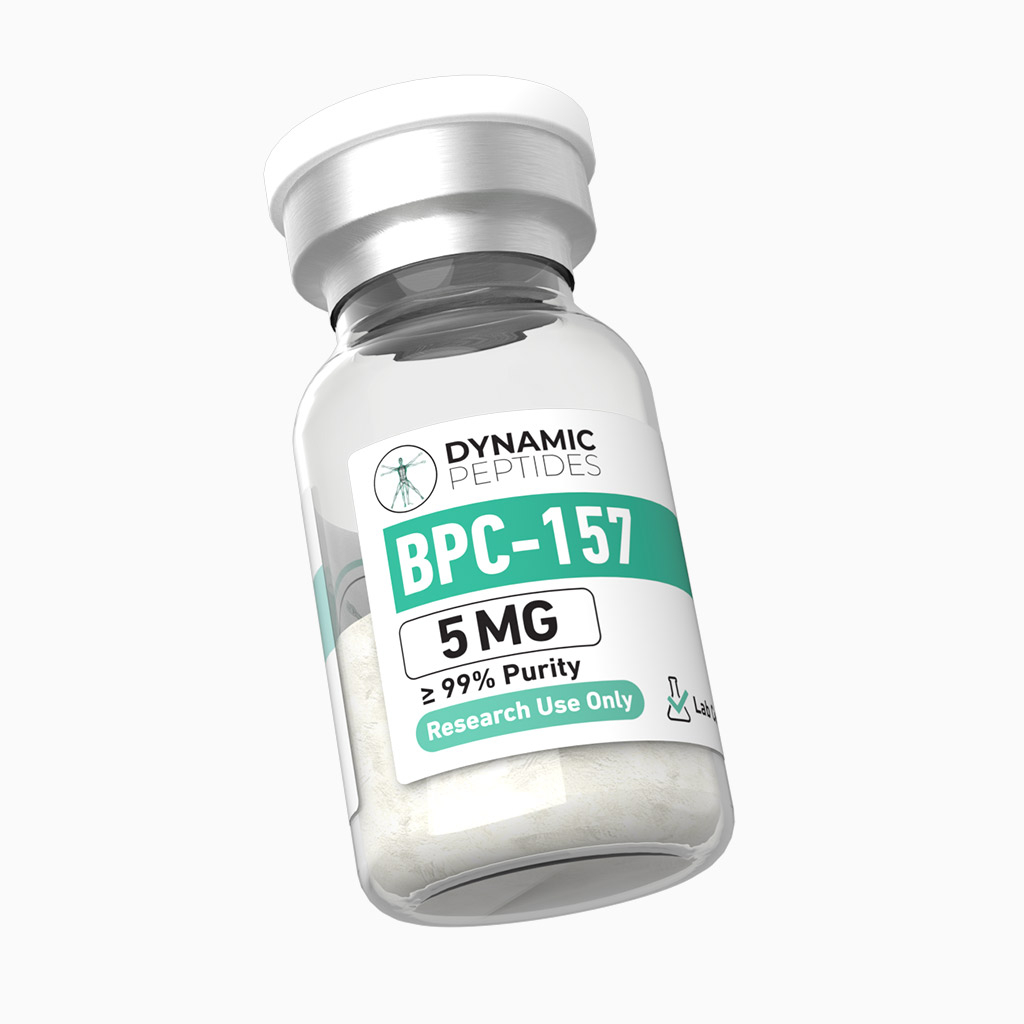
If you’re weighing this stack, the same fundamentals apply as with any research peptide: know your source, reconstitute correctly, and don’t extrapolate a clinical trial in one population onto yourself. Our peptide mixing calculator helps get the reconstitution math right, and bacteriostatic water plus sterile needles matter more to your actual results than which brand you buy from. If a BPC-157 recovery protocol is also part of your research, that’s a separate compound with its own mechanism, worth reading up on separately rather than assuming crossover effects. Check our FAQ and About Us pages if you’re new to sourcing research peptides, and browse the full shop once you know what you’re looking for. Our rewards program also applies to repeat research orders once you’ve settled on a supplier you trust, and order tracking lets you follow a shipment once it’s placed instead of guessing at a delivery window. None of this replaces reading the actual research yourself. It just puts you in a position to read it critically instead of taking a forum post’s word for what a study found.
These products are sold for laboratory and research use only, not for human consumption. Nothing in this article is medical advice. Speak with a qualified healthcare professional before making any decisions related to your health.