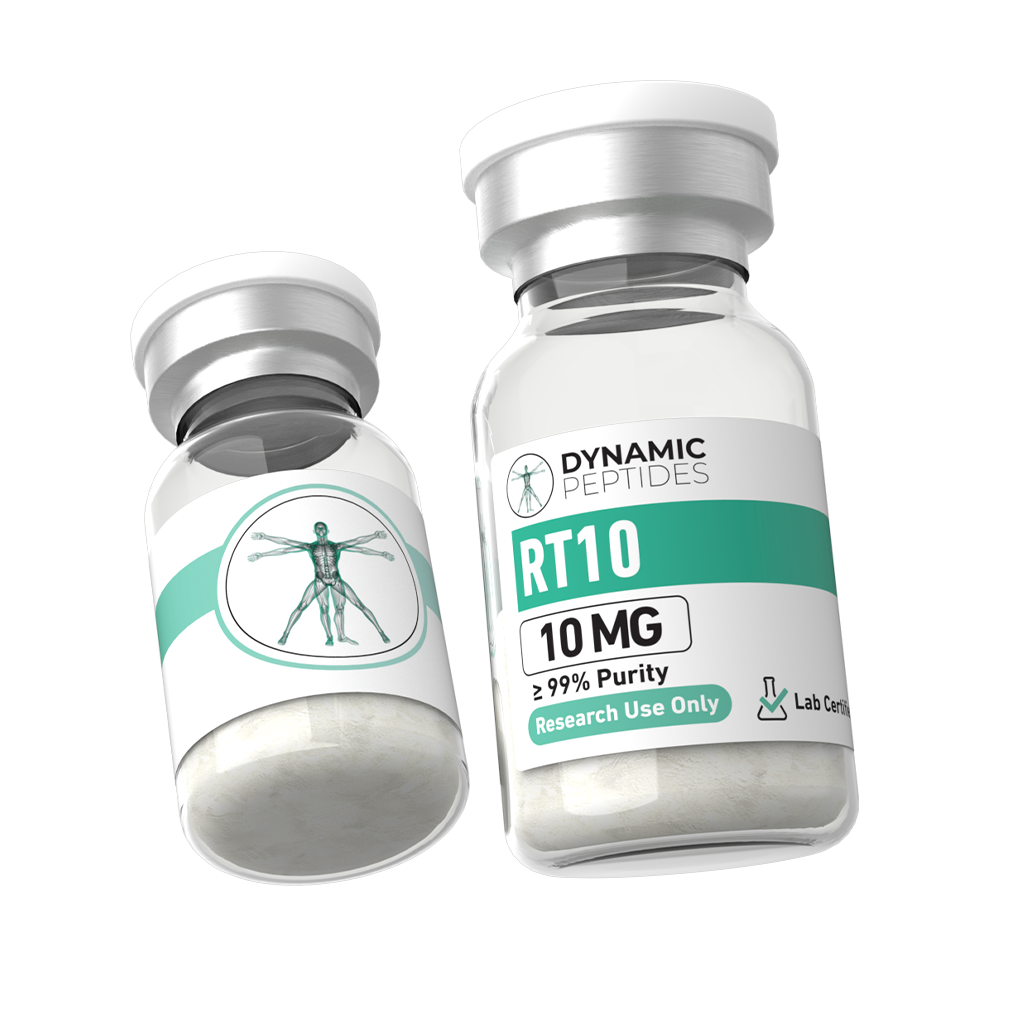


Most “best peptides for fat loss” lists read like a menu. Every compound gets the same enthusiastic paragraph and the same vague nod to “promising research.” What they don’t mention is that these peptides sit on wildly different footing when it comes to actual evidence. One has real, large-scale clinical trial data behind it. Another failed its own trial and got shelved.
This is the version with that context included. Four compounds researchers search for constantly, what each one is actually studied for, and how strong the evidence really is behind each claim.
Tesamorelin: the one with real trial data, for a specific population
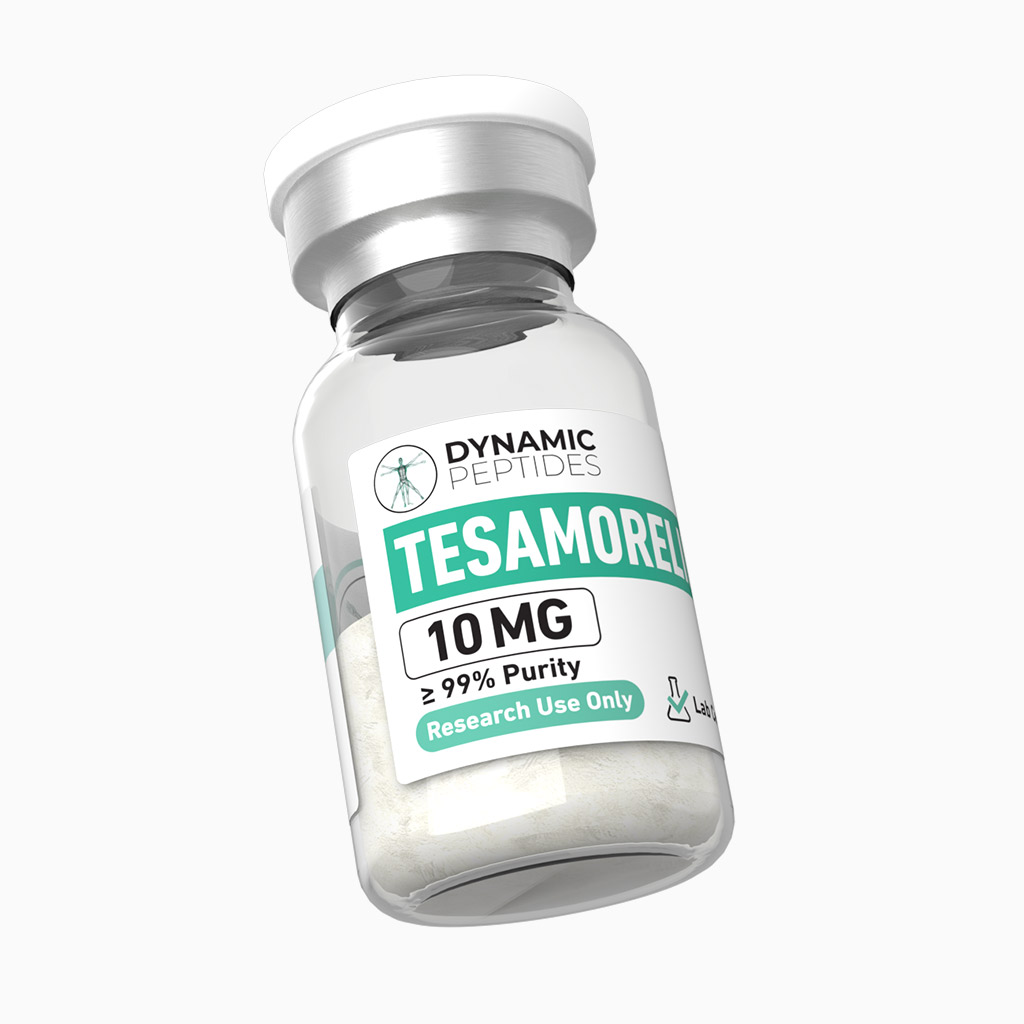
Tesamorelin has something none of the other compounds on this list can claim: FDA approval, granted in November 2010 under the brand name Egrifta. That approval covers one specific use, reducing excess visceral fat in HIV patients with lipodystrophy, a condition where fat accumulates abnormally around internal organs.
The trials behind that approval were substantial. Two randomized, placebo-controlled studies covering 816 patients, each running a 26-week main phase, found roughly 15 to 18 percent visceral fat reduction measured by CT scan. That’s a real result, in a specific clinical population, for a specific medical condition. It is not the same as evidence that tesamorelin produces general fat loss in a healthy adult without lipodystrophy, and no study has tested that population at the same scale. Our guide to Tesamorelin covers the compound in more depth, including the 5mg option for smaller research projects.
AOD-9604: the cautionary example
AOD-9604 is a fragment of human growth hormone, isolated specifically for the segment believed responsible for fat metabolism without affecting growth or blood sugar. Early animal research and a smaller Phase IIa trial looked promising enough that Metabolic Pharmaceuticals ran a much larger follow-up.
That follow-up, a 24-week Phase IIb trial of 536 obese subjects, is the reason AOD-9604 deserves more skepticism than it usually gets. None of the dosing groups showed statistically significant weight loss compared to placebo, and the company discontinued the compound’s obesity development program in March 2007. The safety profile held up fine. Efficacy for weight loss specifically did not. That’s a meaningfully different story than the “fat-targeting peptide fragment” framing most sources still lead with.
5-Amino-1MQ: mechanism-first, human data still thin
5-Amino-1MQ works through a different route entirely. It’s studied for inhibiting NNMT, an enzyme involved in how fat cells store energy and expand. That mechanism is genuinely interesting and well-supported at the cellular and animal-model level.
Where the evidence thins out is human trials. Most of what’s published stays at the mechanism and animal-study stage rather than the large randomized human trials tesamorelin has behind it. That’s not a reason to dismiss the compound. It’s a reason to be precise about what’s actually been shown versus what’s biologically plausible based on how the enzyme behaves.
CJC-1295 and Ipamorelin: an indirect case
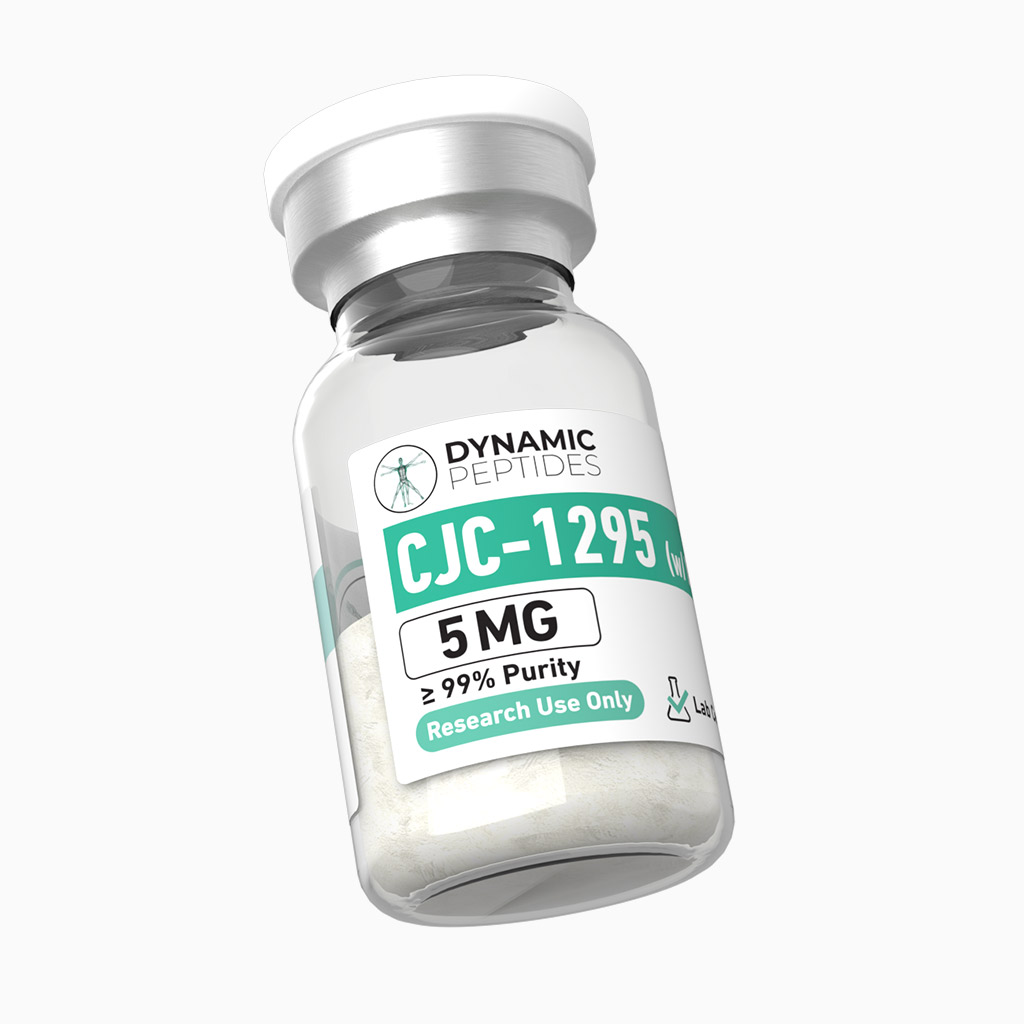
CJC-1295 and Ipamorelin raise growth hormone through two different receptor pathways, and elevated growth hormone is independently linked to improved body composition in the broader endocrinology literature. But that’s an indirect case. Trials of growth hormone therapy in specific populations, not trials of this exact combination in healthy adults pursuing fat loss, are what that literature is actually built on. Anyone presenting this stack as a direct, tested fat-loss protocol is overstating the connection.
How the evidence actually stacks up
| Compound | Strongest evidence | What it doesn’t show |
|---|---|---|
| Tesamorelin | 816-patient RCT, 15-18% visceral fat reduction (CT-measured) | General fat loss outside HIV-associated lipodystrophy |
| AOD-9604 | Clean safety profile across trials | Weight loss efficacy: failed its own 536-subject Phase IIb trial |
| 5-Amino-1MQ | Mechanism (NNMT inhibition) supported at the cellular/animal level | Large-scale human fat-loss trials |
| CJC-1295 + Ipamorelin | GH elevation is well-documented for each compound individually | Direct human trial of this specific combination for fat loss |
What this means for a research project
None of this means these compounds are worthless to study. It means the confidence level varies enormously between them, and a responsible research project treats that difference as central information, not a footnote. If you’re comparing options across our peptide catalogue, knowing which claims rest on a 816-patient trial and which rest on a cell culture study changes how much weight either deserves.
Handling matters just as much once you’ve picked a compound. Reconstituting with bacteriostatic water and getting the math right with our peptide mixing calculator affects your results more than most people assume. If muscle preservation alongside fat loss is part of what you’re researching, our muscle growth category and our BPC-157 guide cover adjacent territory. For anything else, our FAQ and About Us pages are a good starting point, the anti-aging category overlaps with a few compounds mentioned here, and the full shop has everything else. Existing customers can check order tracking or a rewards balance from their account.
These products are sold for laboratory and research use only, not for human consumption. Nothing in this article is medical advice. Speak with a qualified healthcare professional before making any decisions related to your health.