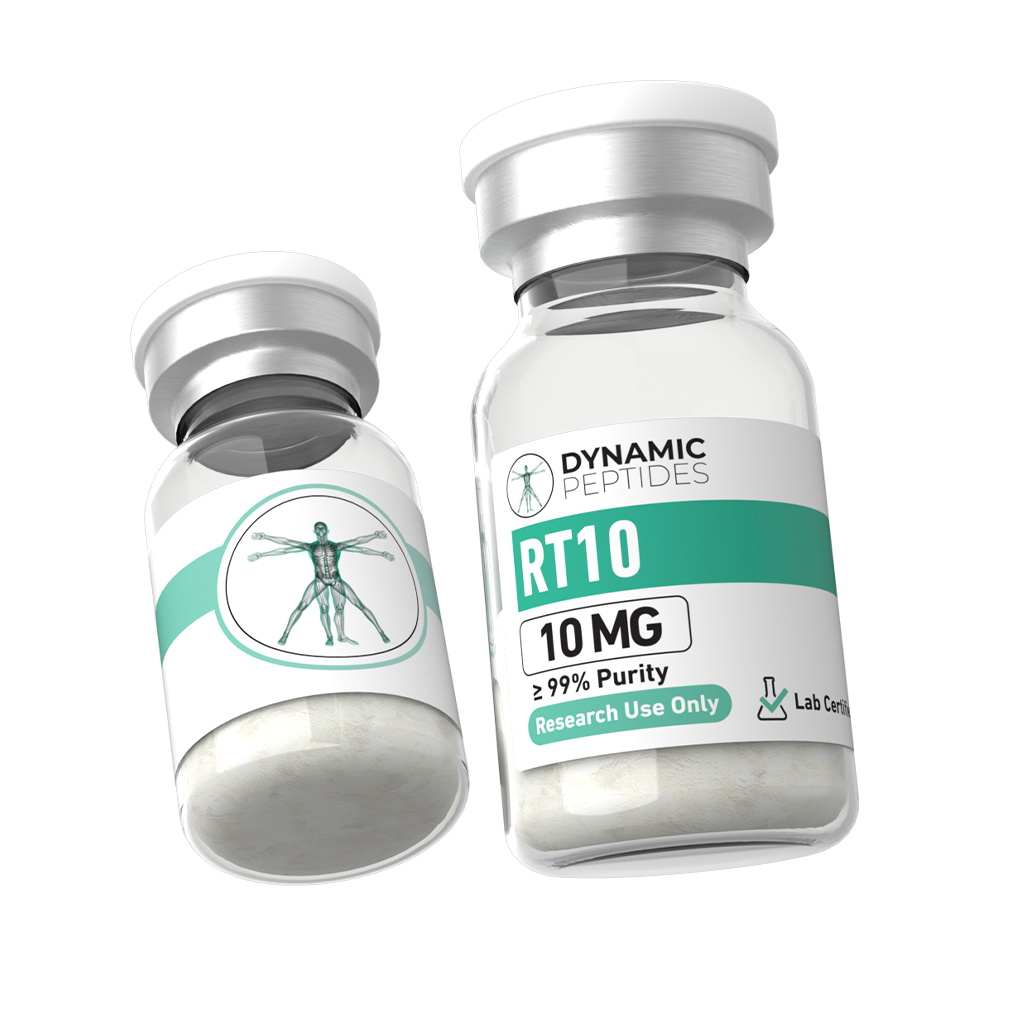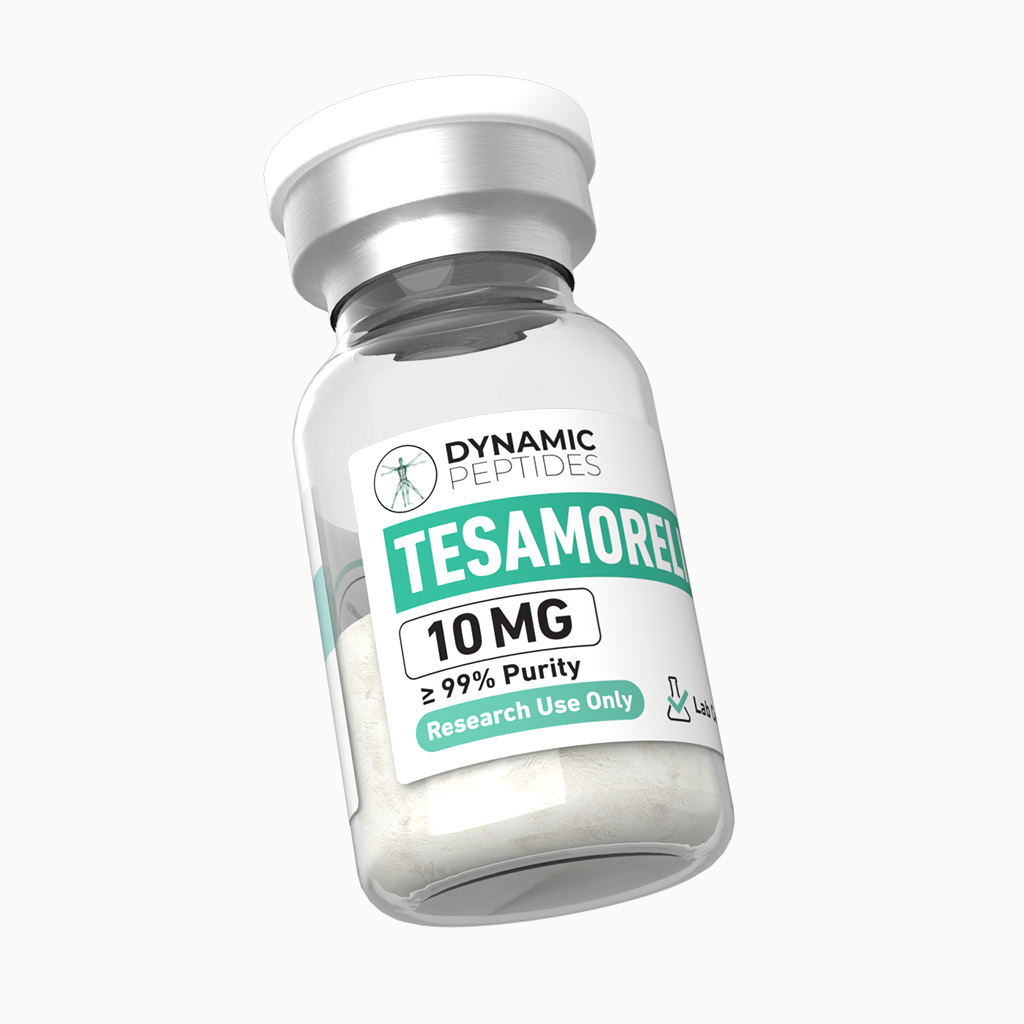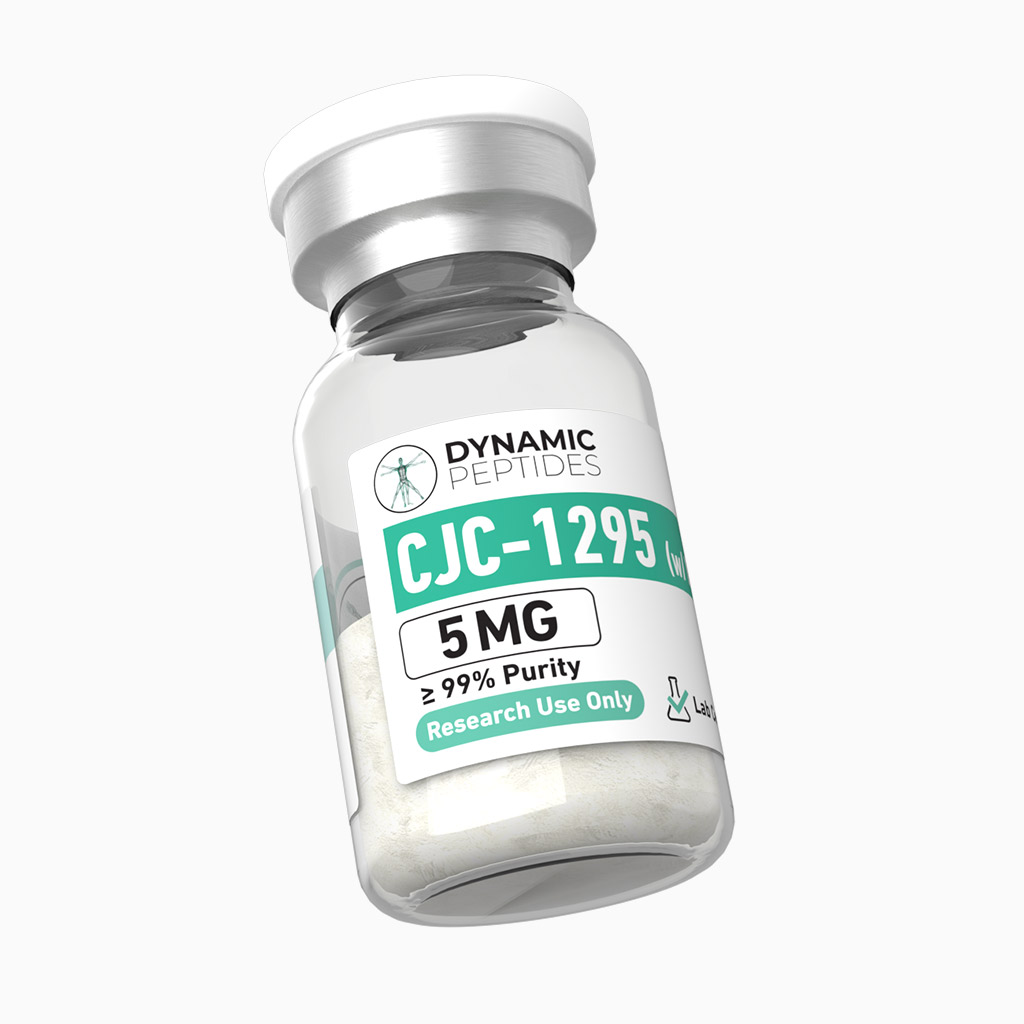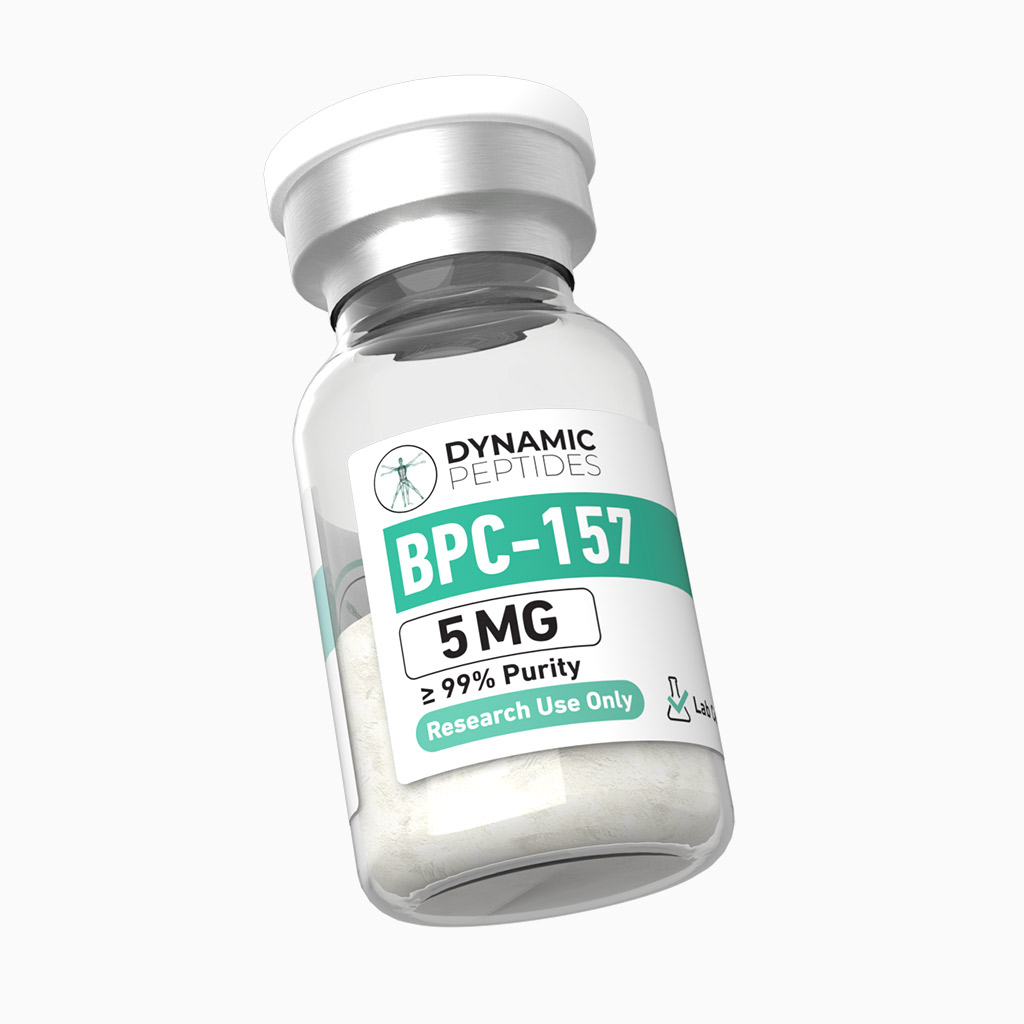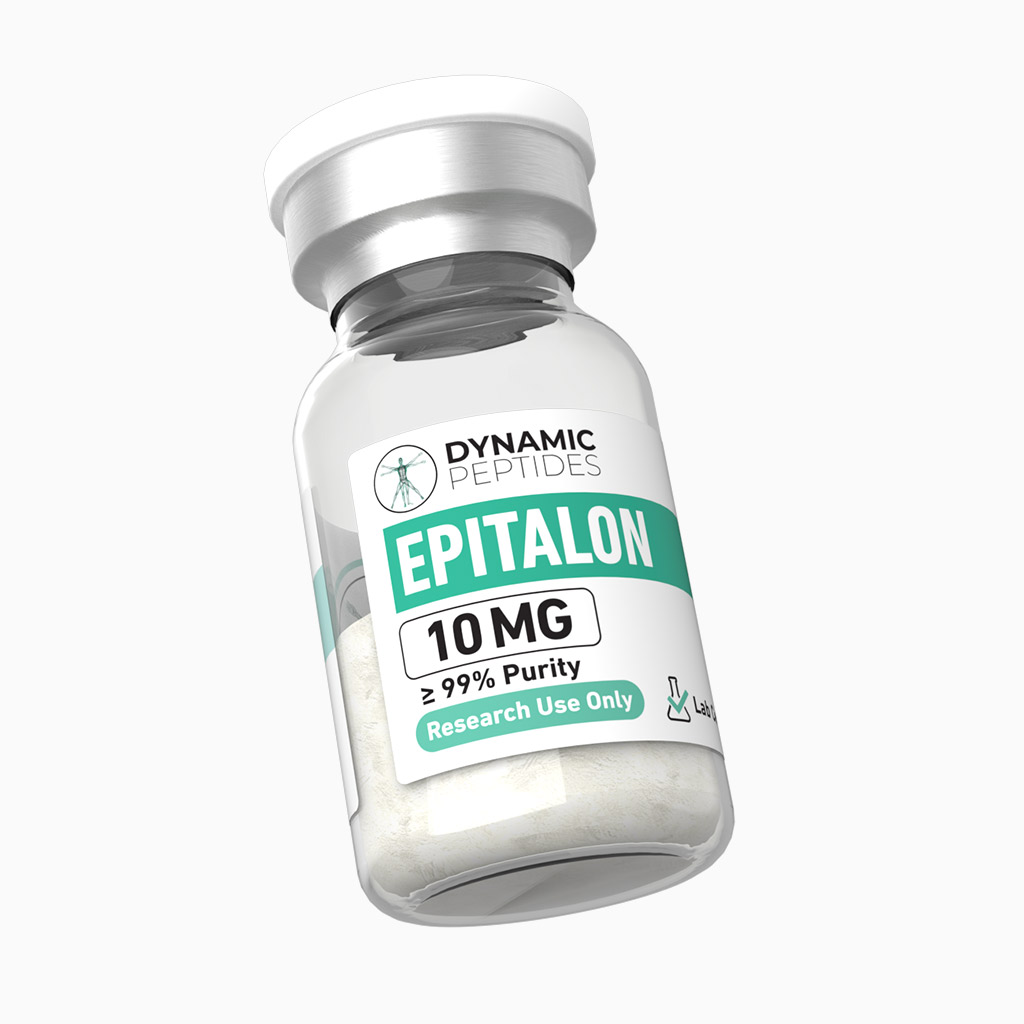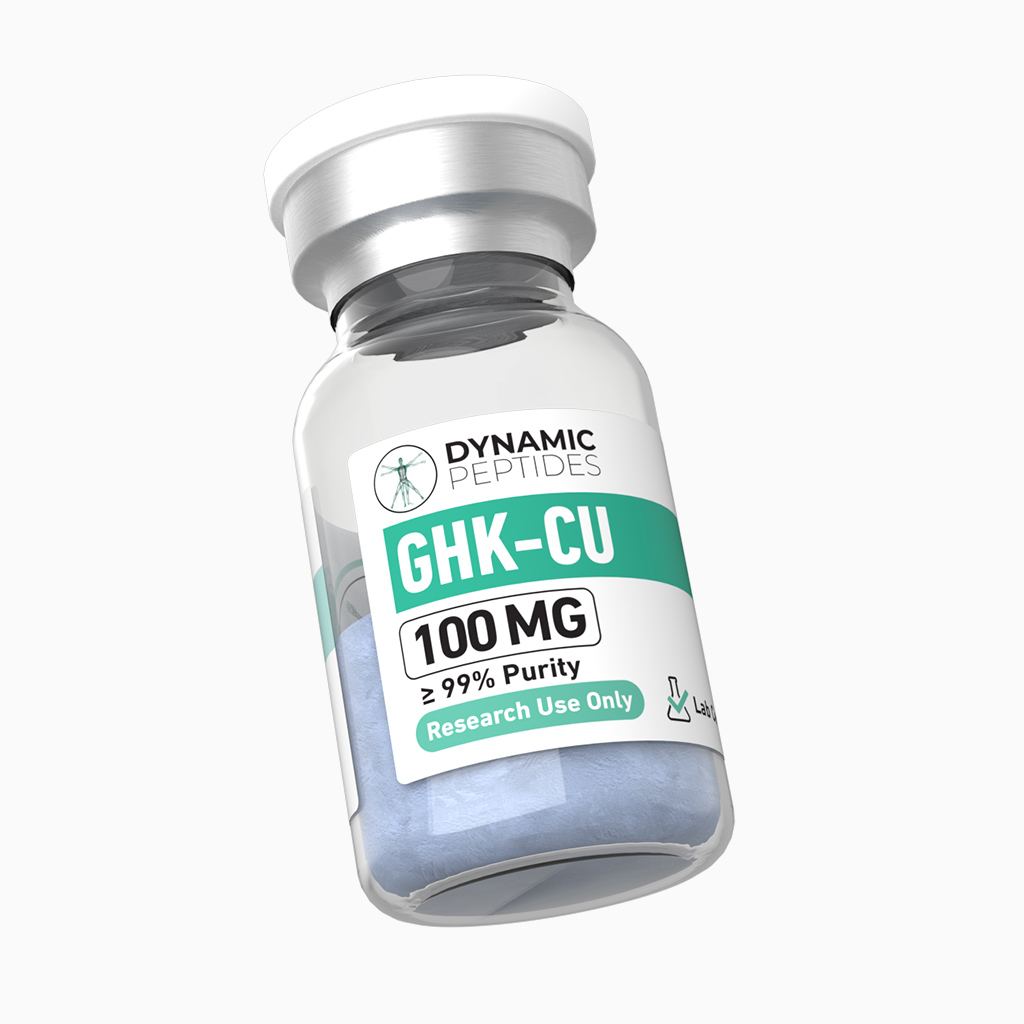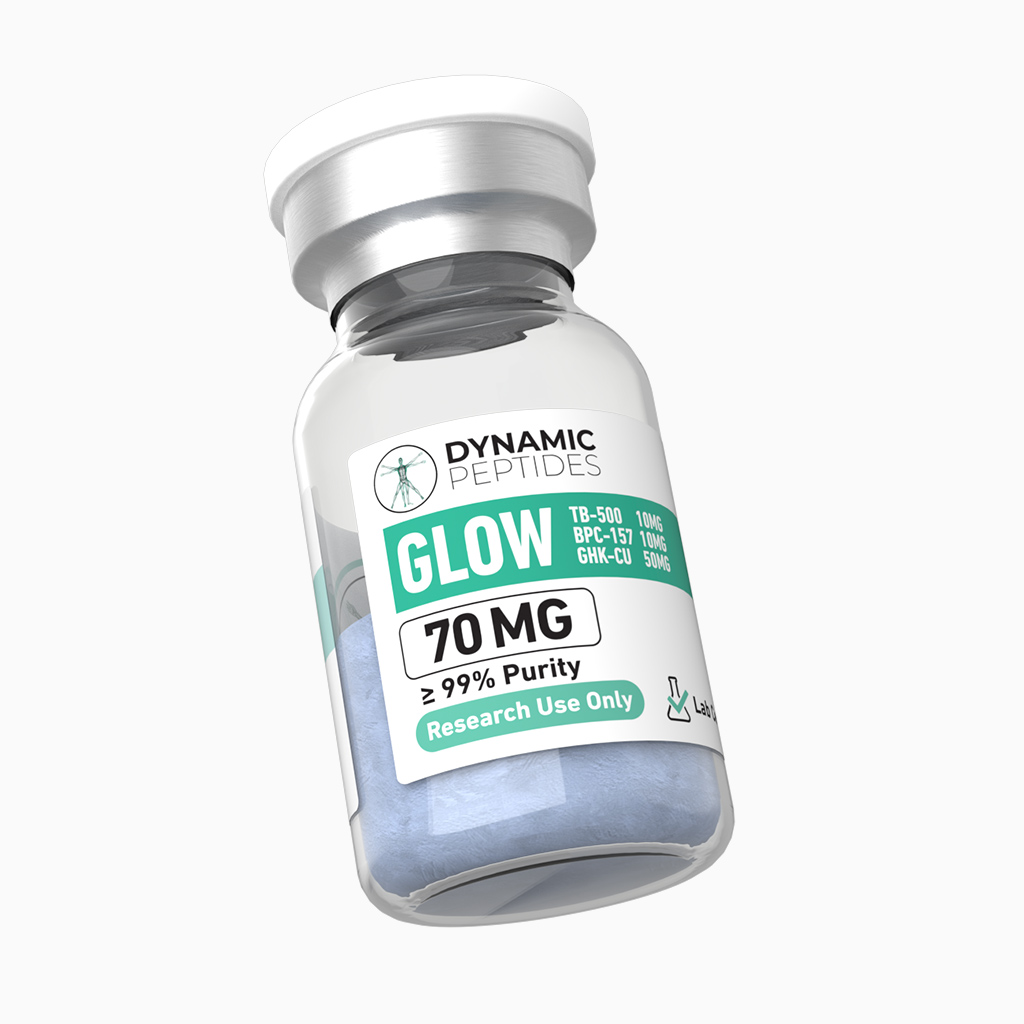

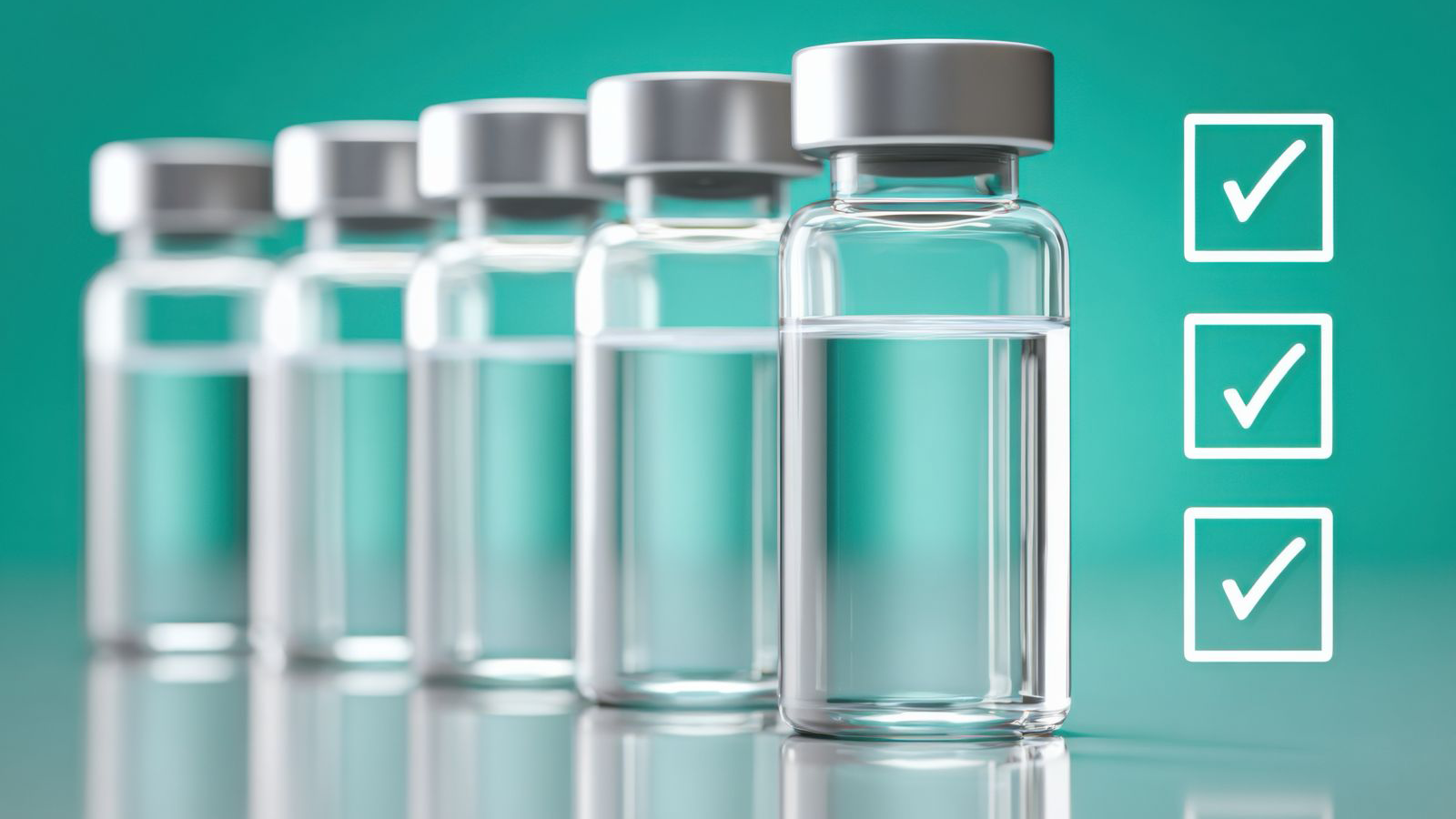
Most peptides arrive as a small amount of white powder at the bottom of a sealed vial. Before that powder is any use in a research setting, it has to be dissolved into liquid, measured accurately, and stored so it stays stable. That process is called reconstitution, and getting it wrong is one of the most common ways a perfectly good vial gets wasted.
This guide walks through how reconstitution works, the technique that keeps a peptide intact, and how to store both the powder and the finished solution so nothing degrades before you are done with it.
Why Peptides Come as Powder
Peptides ship in freeze-dried form, a process labs call lyophilization. Drying the compound down to a stable powder lets it survive shipping and sit on a shelf without breaking down, which is why a sealed vial stays good at room temperature until you open it. The tradeoff is that the powder is not ready to use. You have to add liquid first, and the liquid you choose matters.
The standard choice is bacteriostatic water. It is sterile water with about 0.9 percent benzyl alcohol added, and that small amount of preservative is what stops bacteria from growing inside the vial once you have punctured the stopper. For a vial you plan to access more than once over several weeks, that preservative is the difference between a solution that stays clean and one that does not. Plain sterile water works for a single use but offers no protection against contamination on repeat draws, which is why most research handling defaults to bacteriostatic water.
You can find bacteriostatic water and the syringes you need in the accessories section alongside the rest of your supplies.
Before You Start: Let Everything Reach Room Temperature
Take the peptide vial and the bacteriostatic water out of the fridge and let both sit until they are at room temperature. Mixing a cold solvent into a cold vial tends to produce cloudiness and slows dissolution. A few minutes of patience here prevents a murky result that makes you second-guess whether the peptide dissolved properly.
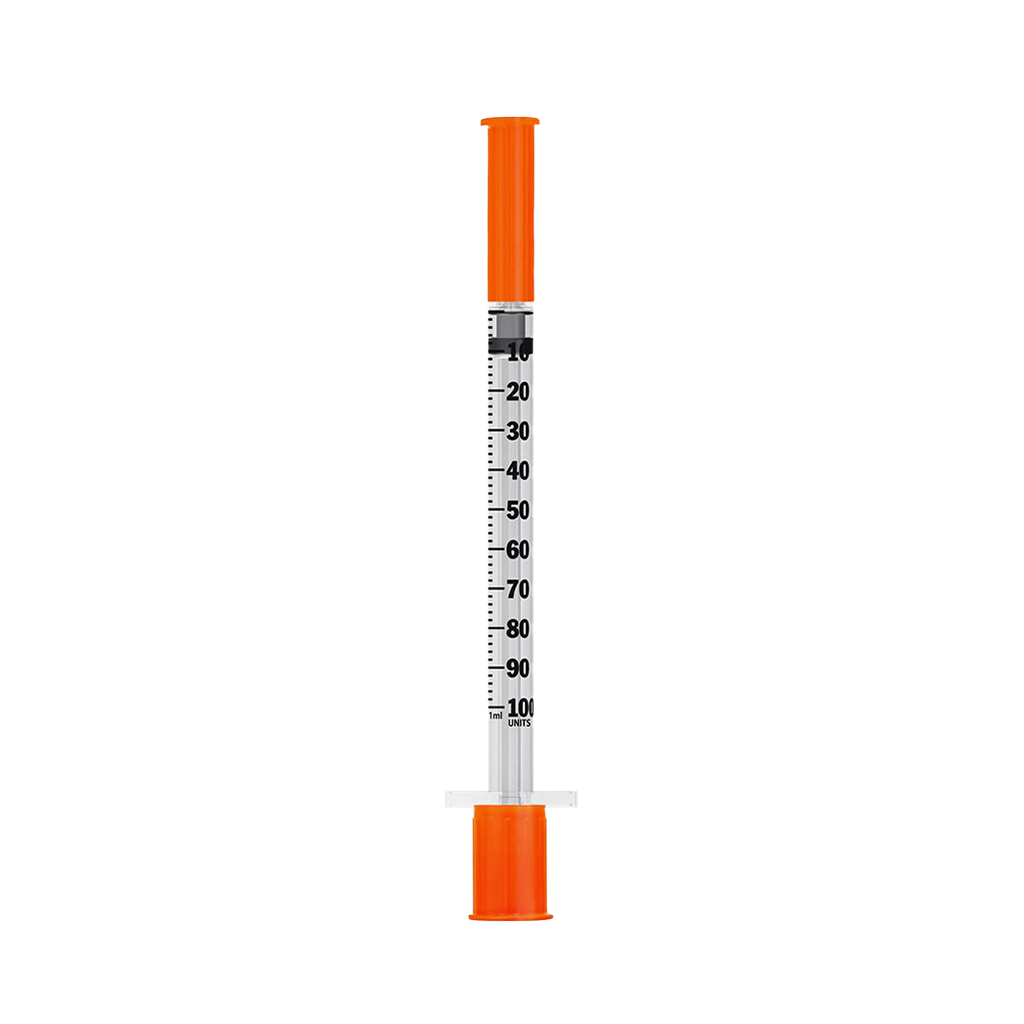
While you wait, clean your workspace and gather what you need: the peptide vial, the bacteriostatic water, alcohol swabs, and an appropriately sized syringe. An insulin syringe works well for small volumes. Wipe the rubber stopper on both vials with an alcohol swab and give each ten to fifteen seconds to air-dry before you puncture anything. That single step removes most of the contamination risk that comes from pushing a needle through the septum.
The Step-by-Step Process
Once both vials are at room temperature and the stoppers are clean, the actual reconstitution is straightforward:
- Decide your water volume first. The amount of bacteriostatic water you add determines the concentration of the final solution, which in turn determines how much liquid each measured amount represents. Work this out before you draw anything. The Peptide Mixing Calculator handles the math for you, so you know exactly how many millilitres to add for the concentration you want.
- Draw the calculated volume of bacteriostatic water. Pull the amount the calculator gave you into your syringe.
- Equalize the vial pressure. Lyophilized vials sometimes hold a slight vacuum or positive pressure from the drying process. Insert the needle through the stopper before you push the liquid in, and let the pressure settle. This prevents solution from spraying back out around the needle.
- Run the water down the side of the vial. Angle the needle so the stream hits the inside wall of the glass rather than landing directly on the powder. Splashing solvent straight onto the peptide can cause foaming and uneven dissolution.
- Swirl, do not shake. Gently roll or swirl the vial in a slow circle until the powder dissolves. This is the step people get wrong most often. Shaking or vortexing introduces mechanical stress that can damage the peptide bonds, and aggressive agitation is a leading cause of degraded solutions. Most peptides dissolve within thirty to sixty seconds of gentle swirling.
- Inspect the result. A properly reconstituted solution should look clear, with no visible particles or cloudiness. If undissolved material remains after a few minutes of swirling, give it more time rather than more force.
That is the whole process. The discipline is in the small things: temperature, a clean stopper, a gentle hand, and the right water volume worked out ahead of time.
Storing Peptides Correctly
Storage breaks into two distinct phases, and the rules are different for each.
Before reconstitution, the freeze-dried powder is stable at room temperature, which is how it survives shipping in the first place. To protect its shelf life, keep the sealed vial in a cool, dry place out of direct sunlight. There is no need to refrigerate an unopened vial unless the product details say otherwise, though many people store theirs in the fridge anyway for peace of mind.
After reconstitution, the rules tighten. Once the peptide is in solution, keep it refrigerated at 2 to 8 degrees Celsius and use it within the window indicated on the product page. The benzyl alcohol in bacteriostatic water keeps a punctured vial usable across repeated draws, but it does not make the solution last forever. A reconstituted peptide is a perishable item, and warmth, light, and time all work against it.
A few habits that protect a finished vial:
- Swab the stopper with alcohol before every draw, not just the first one.
- Keep the vial upright in the fridge, away from the door where the temperature swings.
- Check your bacteriostatic water for an expiration date before using it, and do not use it past that date.
- Label the vial with the date you reconstituted it so you are not guessing later.
A Note on Sterile Technique
Everything above rests on one principle: keep contamination out. A vial that was reconstituted carelessly can look identical to one handled properly, and the difference only shows up later when the solution clouds or the results stop making sense. The same logic that makes third-party verified peptides worth sourcing applies to how you handle them at home. A clean vial mishandled after it arrives is no longer a clean vial.
For most people, the setup is simple. Bacteriostatic water, an insulin syringe, alcohol swabs, and a steady hand cover nearly every peptide in the Dynamic Peptides catalog, from recovery compounds like BPC-157 through to the longevity and aesthetics ranges. Get the technique right once and it becomes second nature.
If you have questions about a specific product or how to handle it, the FAQ covers most of what comes up before a first order.
All products sold by Dynamic Peptides are research-grade compounds supplied for laboratory and research purposes. They are not approved by Health Canada for therapeutic use, and individual responses to any biologically active compound vary. Anyone considering peptides as part of a personal protocol should consult a qualified healthcare professional, particularly where existing medical conditions or other medications are involved.