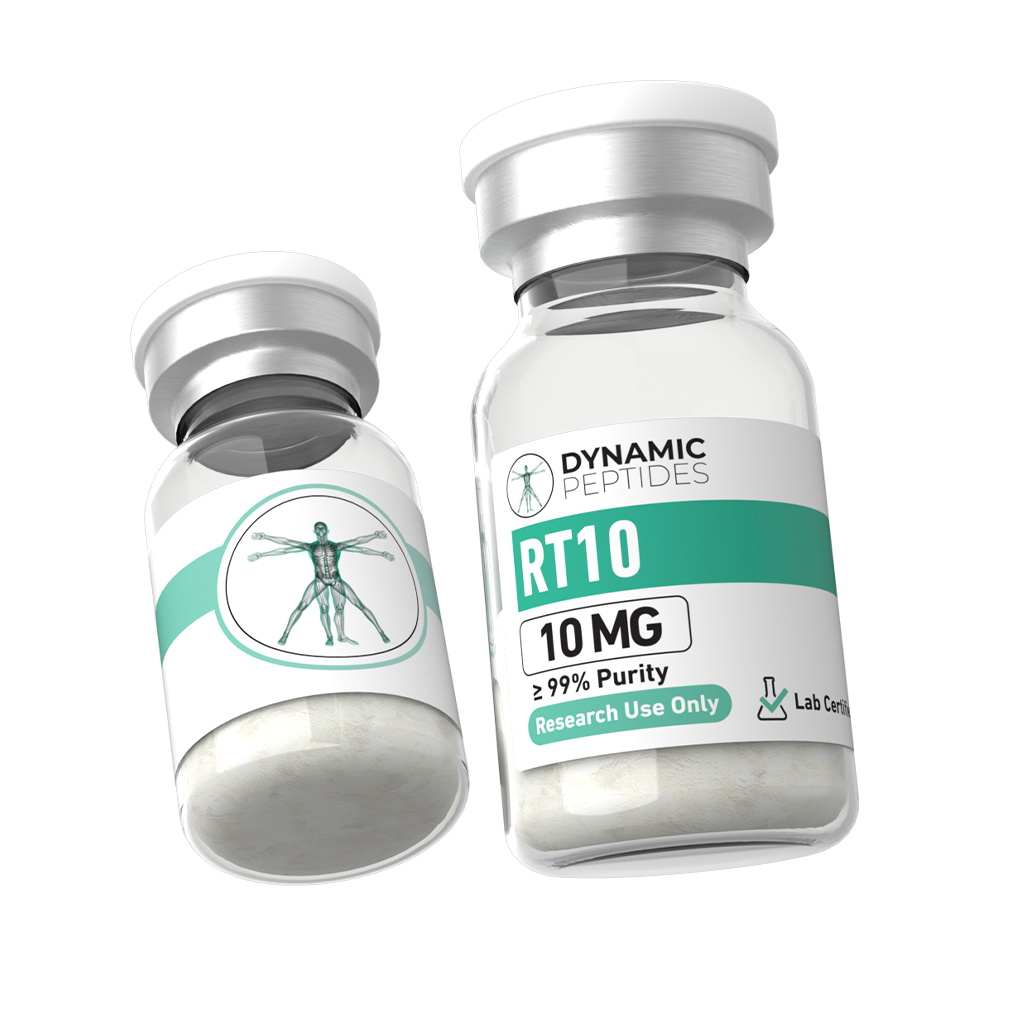


It is one of the first questions most Canadians ask before placing a peptide order, and the answer is more nuanced than a simple yes or no. Peptides occupy a specific regulatory category in Canada, and understanding how that framework actually works will help you make informed decisions about sourcing, handling, and which suppliers to trust.
This article breaks down where peptides stand under Canadian law, how they are legally sold and labeled, and what separates a credible Canadian peptide supplier from one to avoid.
The Short Answer
Peptides are not controlled substances in Canada. They are not scheduled alongside narcotics or restricted drugs under the Controlled Drugs and Substances Act, and they are not classified as illegal compounds for individuals to research or possess.
At the same time, most peptides have not been approved by Health Canada as therapeutic products for general human use. That distinction is important. Not approved is not the same as not legal. It simply means peptides exist in a defined regulatory space that sits outside the prescription drug system, outside the supplement category, and outside the controlled substances framework.
This is the space in which legitimate Canadian suppliers, including Dynamic Peptides, operate.
How Canada Actually Regulates Peptides
Health Canada oversees the regulation of drugs, natural health products, and research compounds through the Food and Drugs Act and the Natural Health Products Regulations. Peptides that have not gone through Health Canada’s full drug approval process cannot be marketed as treatments for medical conditions, cannot carry medical claims, and cannot be sold with human dosing instructions.
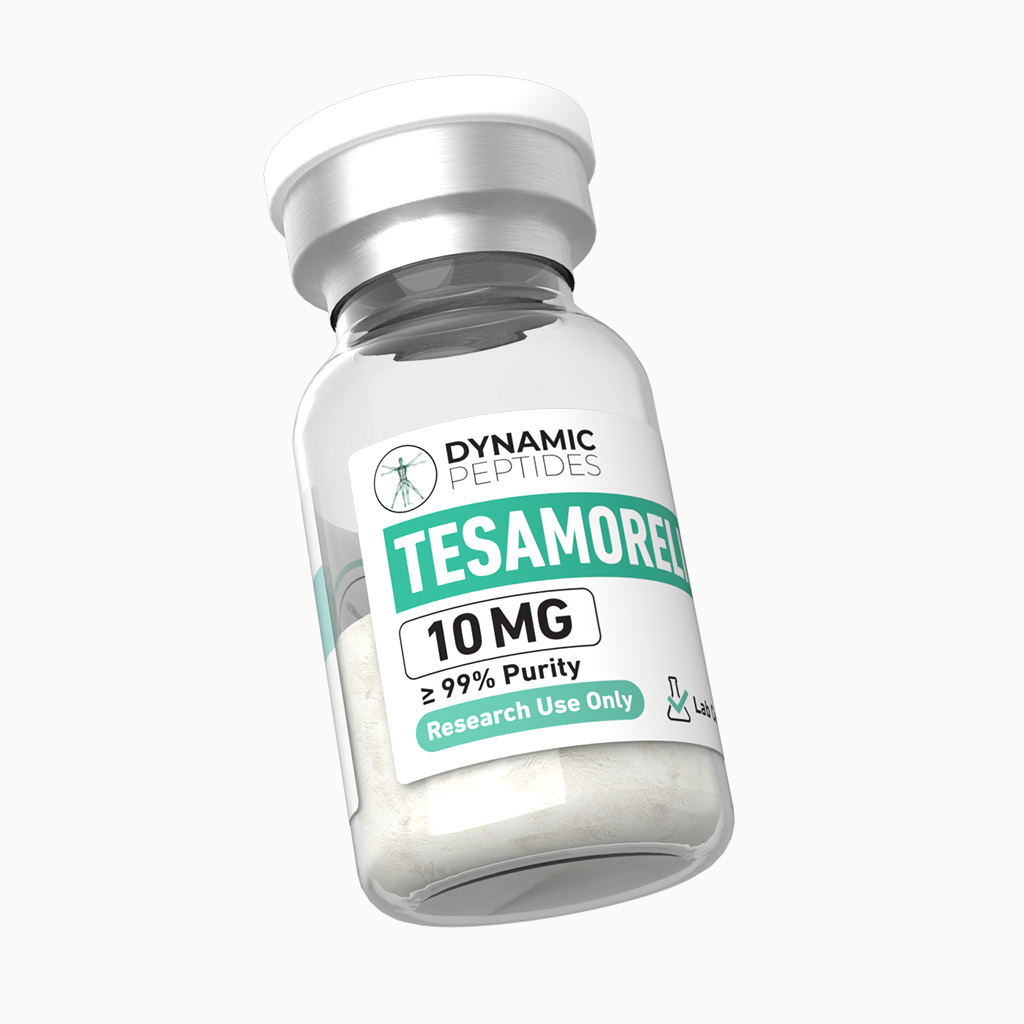
A handful of peptides do have approved pharmaceutical versions. Tesamorelin is one example. Its approved version is used in specific clinical contexts under medical supervision. The research-grade peptides commonly sold by Canadian suppliers are distinct from those prescription products and are not intended to function as substitutes for them.
For the average Canadian buyer, the practical takeaway is straightforward. Peptides are sold as research compounds. They are not prescription drugs. They are not dietary supplements. They are not natural health products. They are their own category, and that classification shapes everything from labeling to quality control standards.
The Research Use Only Label
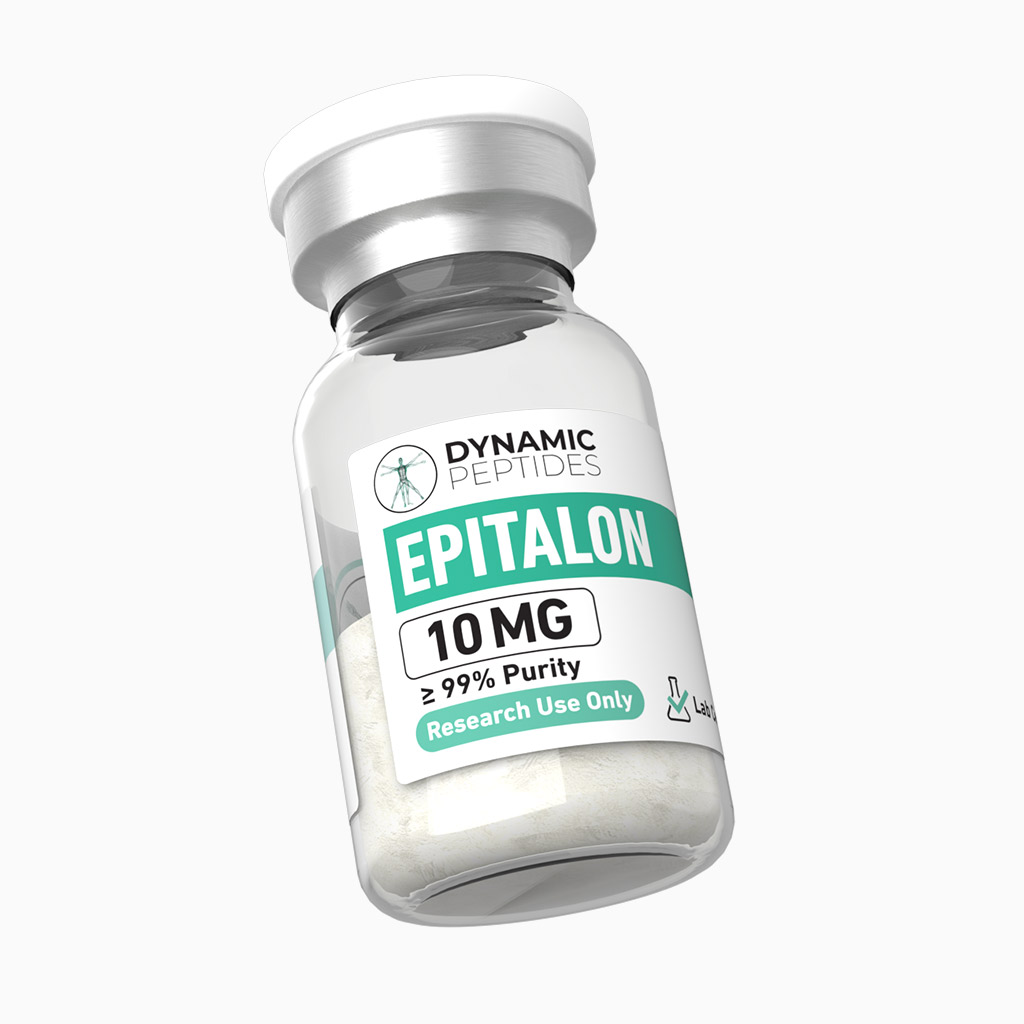
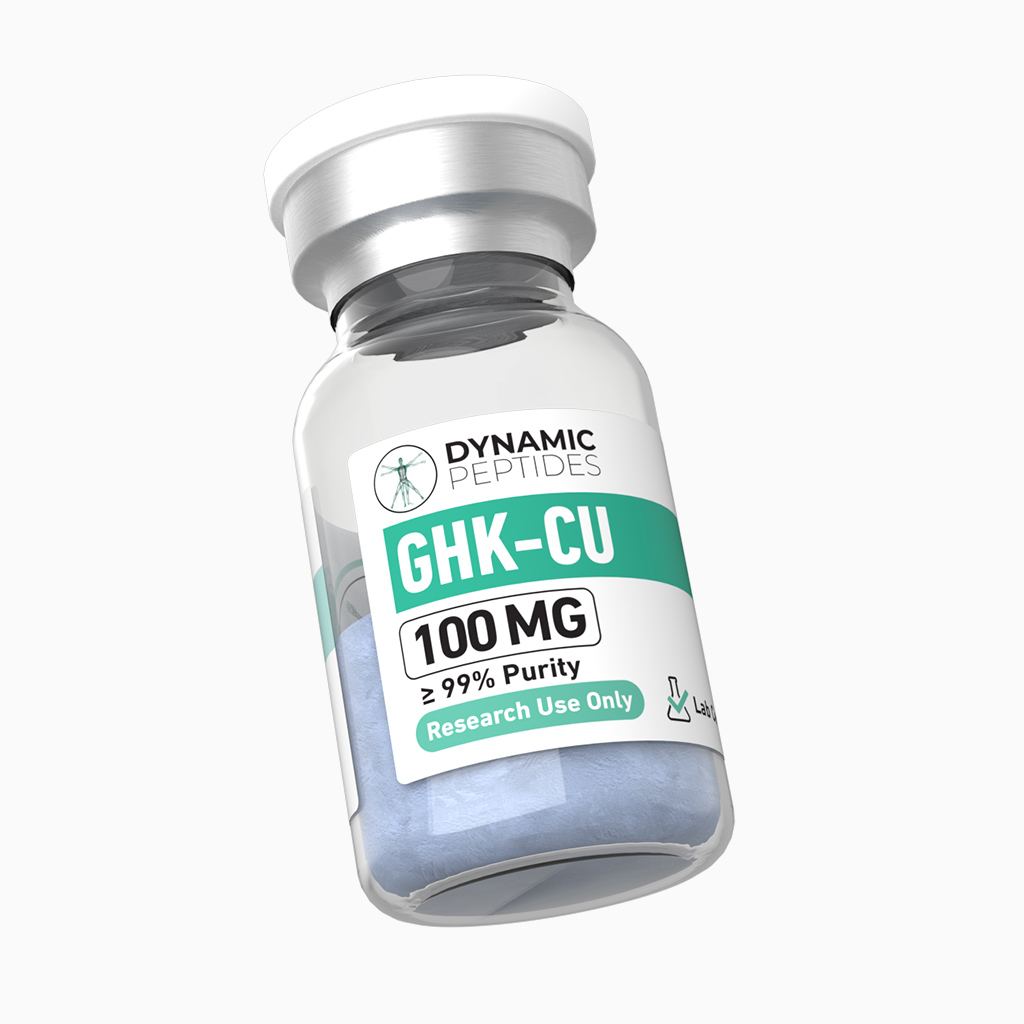
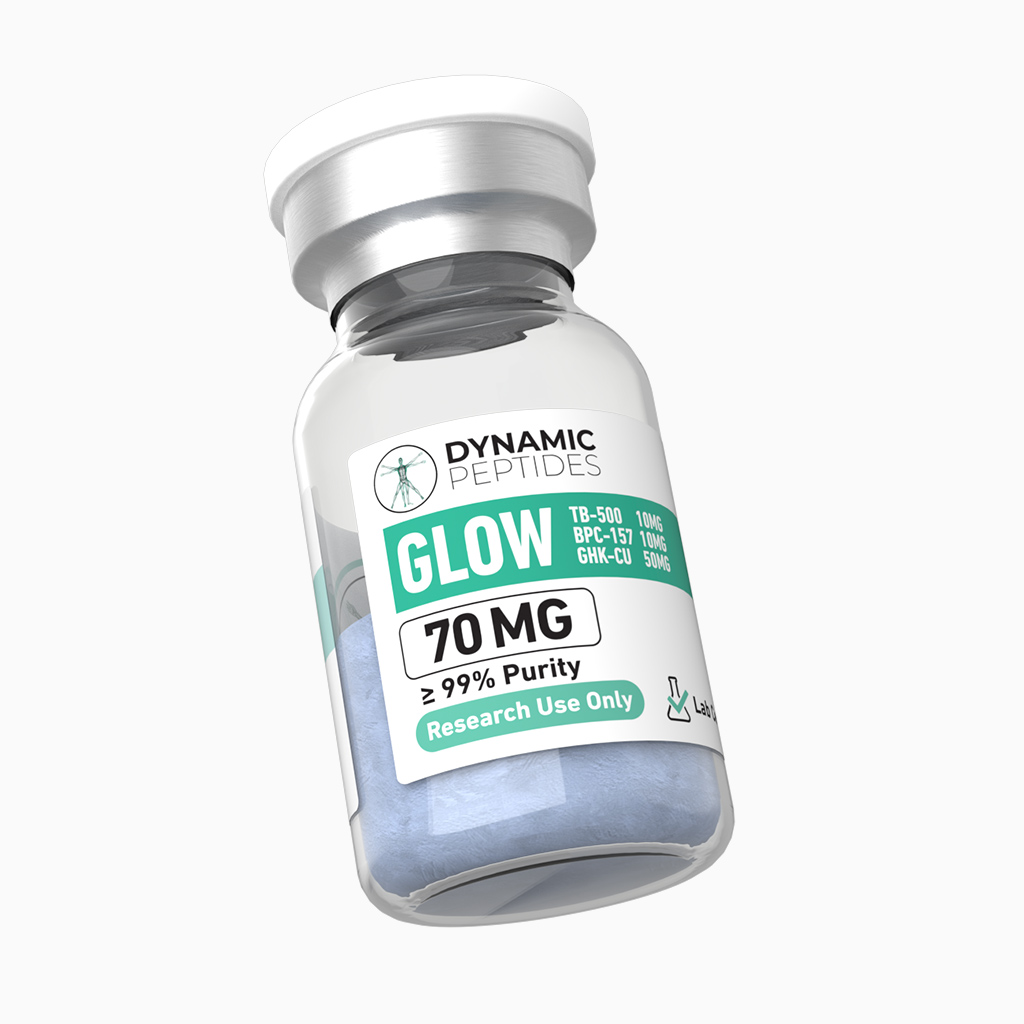
If you have browsed a Canadian peptide supplier, you have almost certainly seen the phrase “for research use only” on product pages or vial labeling. This is not a marketing disclaimer. It is the regulatory designation that allows these compounds to be sold legally in Canada without going through the years-long approval process required for pharmaceutical drugs.
In practical terms, the research-use designation communicates that a peptide has not been approved by Health Canada for therapeutic use, that it is being sold for laboratory or research purposes, and that it carries no medical claims or human dosing recommendations. It is the same framework used by research compound suppliers globally, and it is the legal mechanism that allows scientific labs, universities, and research-focused individuals to access these materials.
The label is also a signal of how a supplier is operating. A Canadian source that respects the research-use framework and pairs it with rigorous third-party testing is operating within the rules. A source making explicit medical claims or guaranteeing therapeutic outcomes is not.
How Canada’s Approach Compares to the U.S.
The U.S. has gone through several notable shifts on peptide regulation over the past few years. The FDA tightened restrictions on compounding pharmacy production in 2023 and has since signaled a willingness to revisit that decision, with a high-profile advisory committee meeting scheduled to reassess several compounds.
Canada has taken a more stable path. The research-use framework here has remained consistent, and there has not been the same wave of regulatory reversals. For Canadian buyers, that has meant reliable access through established domestic suppliers without the volatility of the U.S. market.
It is also one of the reasons a growing share of U.S. customers turn to Canadian sources. A Canadian supplier operating under a clear research-use framework, with third-party lab verification and discreet shipping, offers a level of consistency that is harder to find in markets where the rules keep moving.
What Makes a Canadian Peptide Supplier Trustworthy
Legality is only half of the equation. Even within the legal research-use space, supplier quality varies dramatically. The peptide category attracts both serious operators and opportunists, and the differences are often invisible until something goes wrong.
When evaluating a Canadian source, focus on these signals:
- Independent third-party lab testing. Every batch should be verified by an outside lab for purity and identity. This is the single most important quality indicator and should be available on request or published openly.
- Transparent business presence. A real Canadian operation has clear contact information, a verifiable address, and a track record. Anonymous storefronts and offshore vendors selling vials for a few dollars each are not the same product.
- Consistent, accurate labeling. Vials should carry correct concentrations, batch identifiers, and the appropriate research-use designation. Inconsistencies are a red flag.
- Clear policies on shipping, payment, and returns. Established suppliers publish their return and refund terms and stand behind their products.
- Years in operation and a real customer base. Time in the market filters out opportunists. A decade of consistent shipping to thousands of Canadian customers is meaningful in a way that a six-month-old storefront is not.

Dynamic Peptides has built around these standards over the past ten years. Every product undergoes independent third-party verification, every batch is documented, and the company has shipped more than 22,000 orders to over 15,000 Canadians coast to coast.
Why This Matters for Your Purchase
The research-use framework is what allows Canadian suppliers to operate legally, and it is also what protects the consistent, verifiable supply that serious researchers and performance-focused individuals rely on. It exists for a reason, and the suppliers that respect it are usually the same ones investing in quality control.
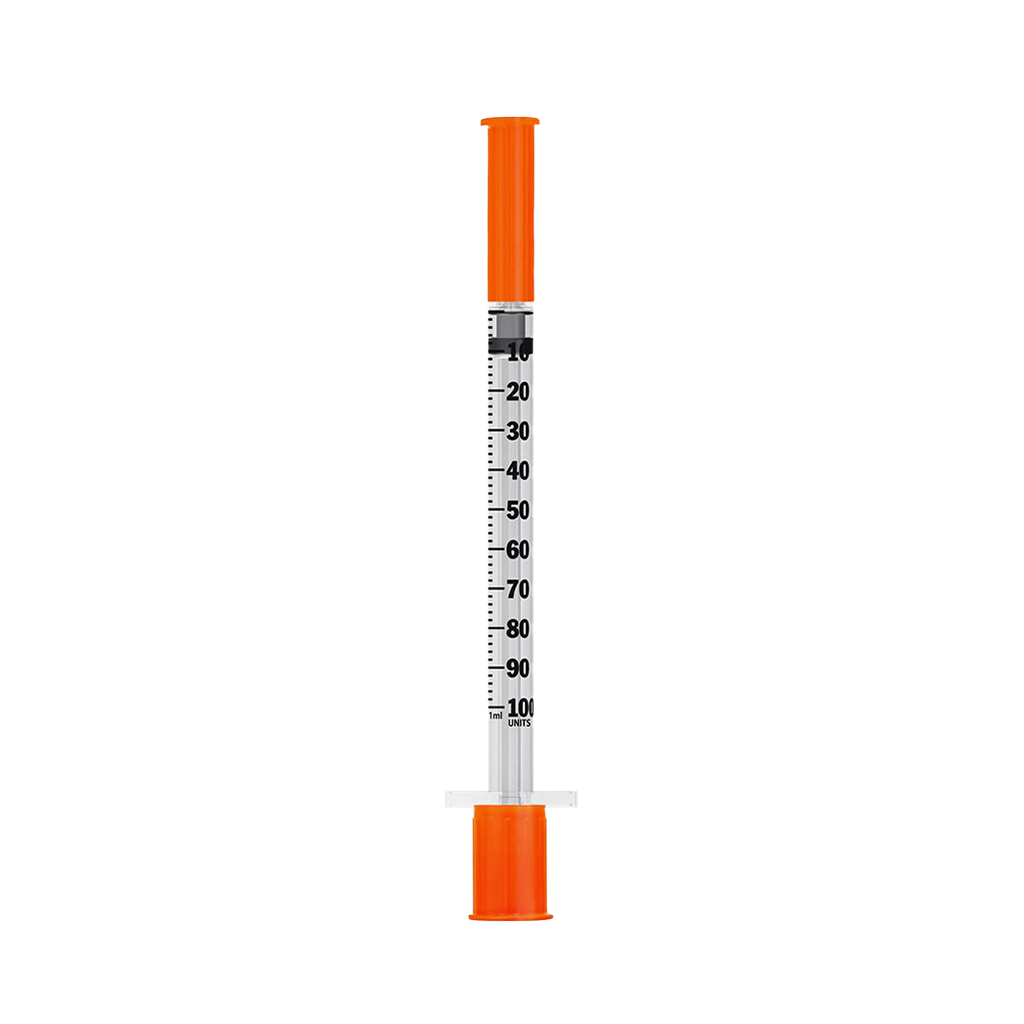
It also means a meaningful share of the responsibility sits with the buyer. Anyone working with peptides should understand how to properly reconstitute, store, and handle them. Tools like the Peptide Mixing Calculator make accurate reconstitution straightforward for newer buyers, and proper accessories are essential for clean handling and precise measurement
If you are exploring peptides for the first time, the most important step is sourcing from a supplier you can verify. Look for clear lab reports, transparent business information, and a real Canadian operational presence rather than an untrustworthy overseas retailer competing on price alone. In this category, price is rarely a reliable signal.
A Final Note
Peptides are legal to buy, sell, and possess in Canada when sourced through legitimate suppliers operating within the research-use framework. They are not controlled substances, and they are not banned compounds. They are also not approved therapeutic products, and they are not a substitute for medical care.
Peptides influence biological processes, and individual responses vary. Anyone considering peptides as part of a personal protocol should consult a qualified healthcare professional, particularly if they have existing medical conditions or are taking other medications. The information here is intended to clarify the regulatory landscape in Canada, not to serve as medical guidance.
For specific questions about products, sourcing, or how to get started, the Dynamic Peptides FAQ covers most of what new buyers ask before their first order.