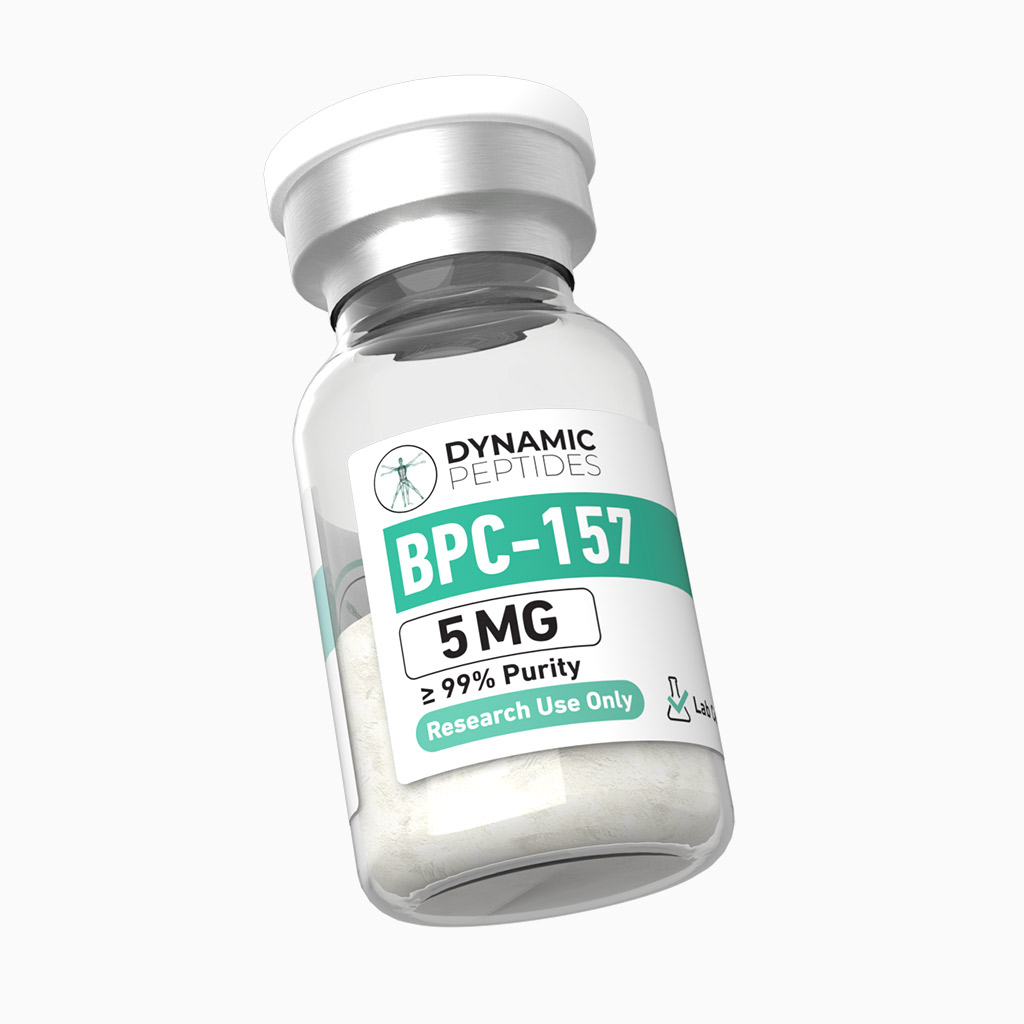

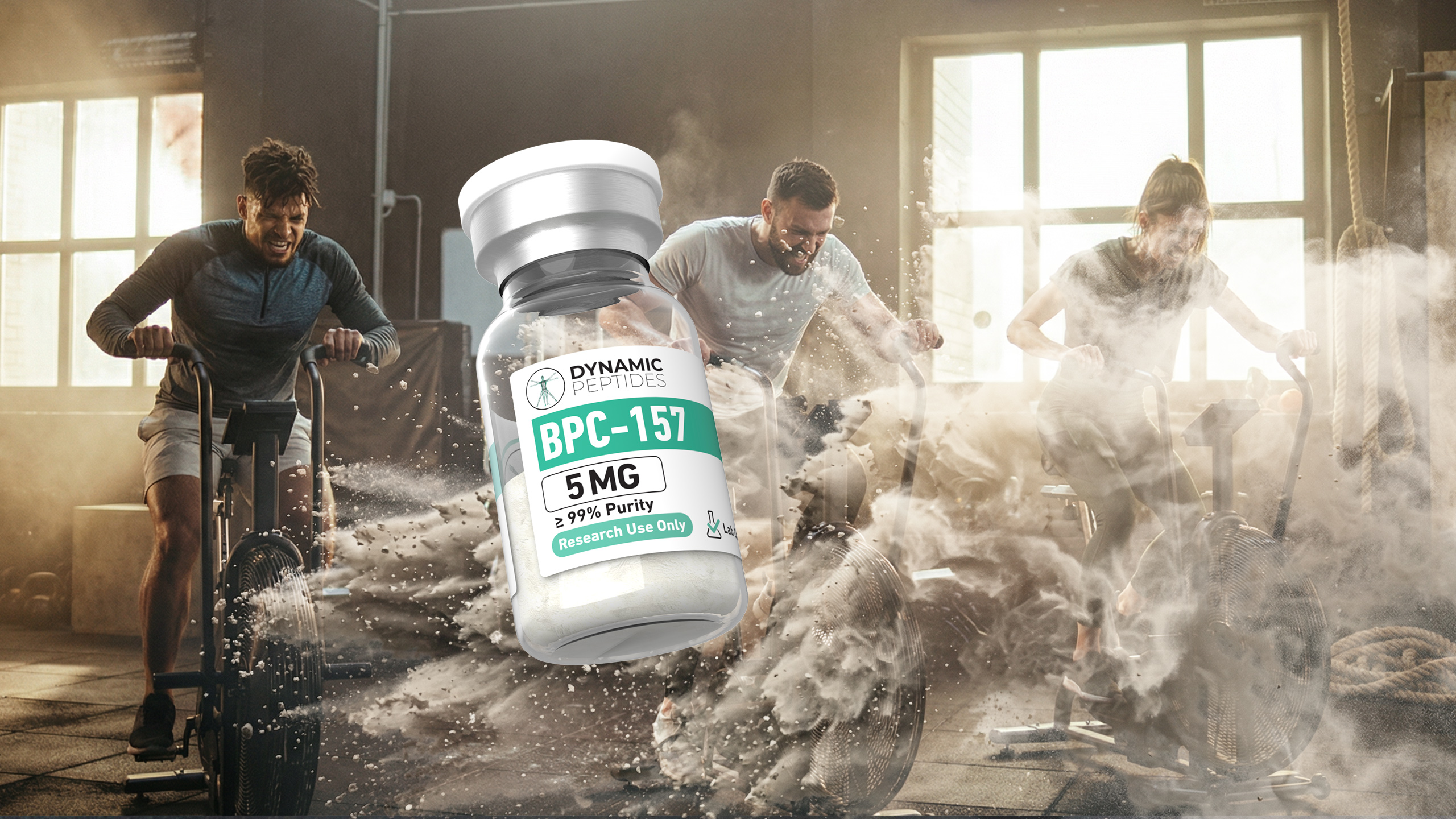
BPC-157 has become one of the most recognized recovery peptides in the performance and athletic community. Whether you are dealing with nagging joint discomfort, muscle strain, or simply want to recover faster between training sessions, BPC-157 is often part of the conversation. If you are new to peptides, this guide will explain what BPC-157 is, how it works, and why so many athletes are interested in it.
What Is BPC-157
BPC-157 stands for Body Protection Compound 157. It is a synthetic peptide derived from a protective protein found in the stomach. Researchers have studied it for its potential role in tissue repair, recovery support, and gut health.
In simple terms, BPC-157 is known for its potential to support healing and regeneration. It has gained attention because of its association with soft tissue repair, including muscles, tendons, and ligaments.
How BPC-157 Works
Your body naturally repairs itself after stress or injury. When you train hard, microscopic damage occurs in muscle fibers and connective tissue. Normally, your body responds by sending signals that trigger repair processes.
BPC-157 is believed to support these signaling pathways. It has been studied for its potential to enhance blood flow to injured areas, promote tissue regeneration, and support collagen formation. Collagen is a key structural protein found in tendons and ligaments.
Because of these properties, BPC-157 is often discussed as a recovery focused compound rather than a direct muscle building peptide.
Why Athletes and Bodybuilders Use BPC-157
For athletes, recovery speed can determine performance consistency. If you are constantly sidelined by minor strains or joint irritation, progress slows down. BPC-157 is frequently explored as a way to support:
- Tendon and ligament recovery
- Muscle strain repair
- Joint resilience
- Reduced downtime between workouts
Many users consider BPC-157 when dealing with chronic overuse injuries, especially in areas like elbows, shoulders, knees, and lower back. While it is not a substitute for medical treatment, it is commonly integrated into recovery protocols to reinforce the body’s natural repair processes.
Another area of interest is gut support. Since BPC-157 originates from a protective stomach compound, it has also been researched for digestive system support. For athletes with high calorie diets or intense training stress, this can be an additional consideration.
How BPC-157 Fits Into a Complete Recovery Strategy
It is important to understand that BPC-157 works best when combined with proper rest, nutrition, and smart programming. It does not override poor recovery habits.
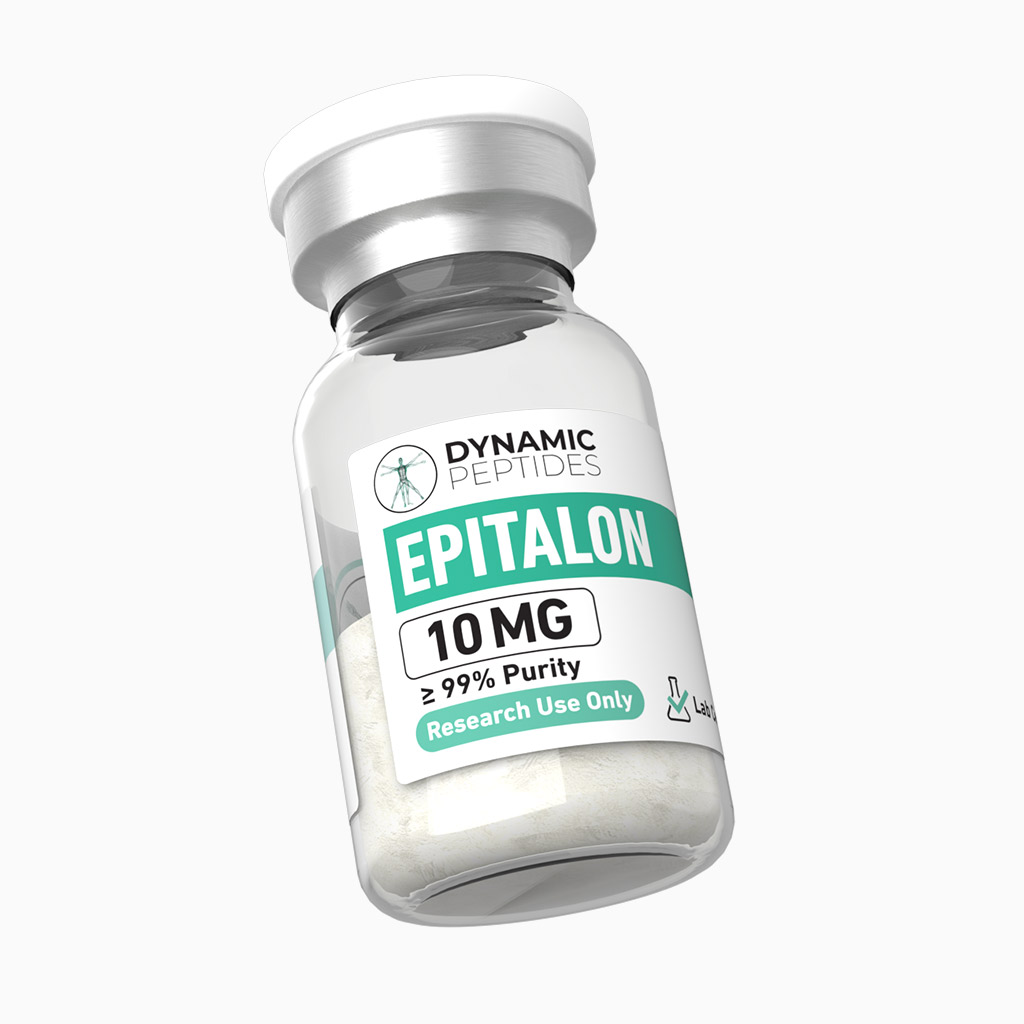
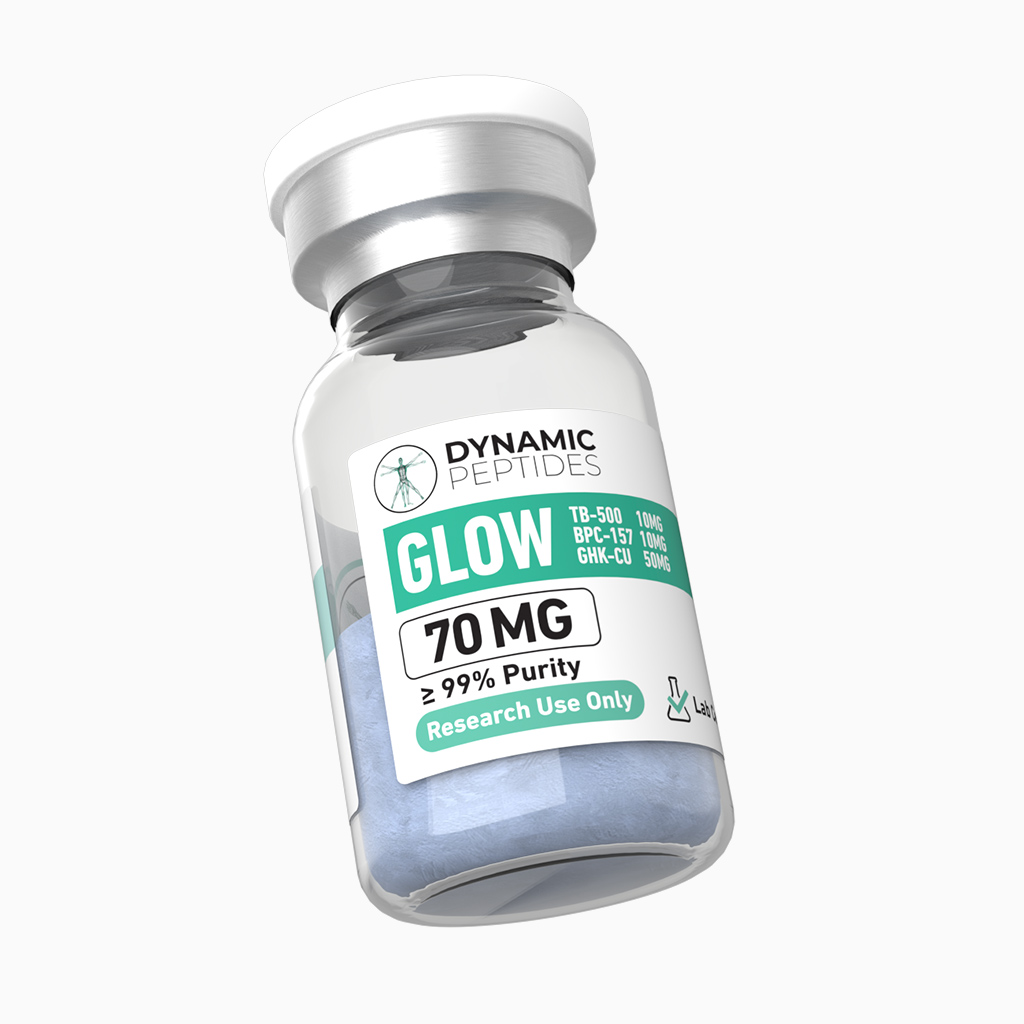
Many performance focused individuals stack BPC-157 with other recovery oriented compounds. For example, it is commonly paired with TB500 for broader tissue support. If you are building a more comprehensive repair protocol, exploring both BPC-157 and TB500 together can provide layered support for connective tissue and mobility.
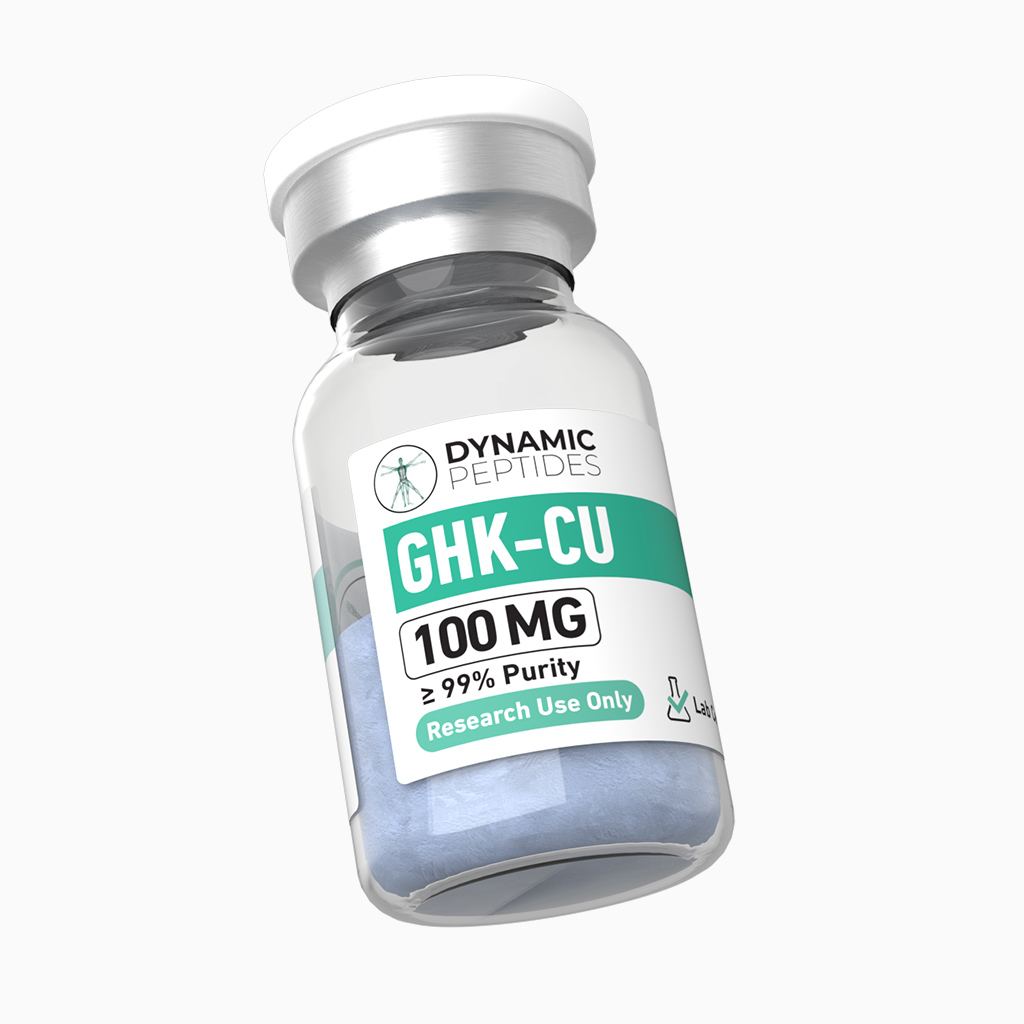
For those focused on aesthetics and skin quality, combining BPC-157 with GHK-Cu is sometimes discussed. While BPC-157 supports internal repair processes, GHK-Cu is associated with collagen production and skin regeneration. Together, they can form a balanced recovery and appearance focused stack.
In addition to peptides, proper accessories matter. Using sterile bacteriostatic water and accurate dosing supplies helps maintain consistency and quality throughout your protocol. Proper handling supports both safety and effectiveness.
What Results Can People Expect
Results vary depending on the severity of strain, training intensity, and overall health. Some users report noticing improved comfort and mobility within weeks, especially when managing minor soft tissue issues.
For athletes managing ongoing stress in specific joints or muscle groups, the goal is often gradual improvement rather than immediate change. Recovery peptides typically work best when used consistently as part of a structured program.
Who Should Consider BPC-157
BPC-157 is most often considered by:
- Athletes training at high intensity
- Bodybuilders managing joint stress
- Individuals recovering from soft tissue strain
- Fitness enthusiasts looking to reduce recovery time
If you are constantly pushing your limits in the gym or in sport, recovery becomes just as important as training itself. BPC-157 is positioned as a tool to help reinforce that recovery foundation.
Important Considerations
Although BPC-157 is widely discussed in performance communities, it is important to approach it responsibly. It influences biological repair pathways, and individual responses can vary.
Consulting with a healthcare professional before beginning any peptide protocol is recommended, especially if you have existing medical conditions. Responsible use and realistic expectations are essential.
Final Thoughts
BPC-157 has earned its reputation as a recovery focused peptide for good reason. It is researched for its potential to support tissue repair, improve resilience, and help athletes stay consistent in their training.
It is not a replacement for proper rehabilitation, intelligent programming, or adequate rest. Instead, it can be viewed as an added layer of support within a comprehensive recovery plan.
When combined with smart supplementation, structured training, and proper recovery practices, BPC-157 has become a cornerstone compound in modern athletic performance strategies.